See whether Helium helps you make better-informed decisions. Try every Pro Trader feature for 30 days. No credit card required.
Try every Pro Trader feature for 30 days. No credit card required.
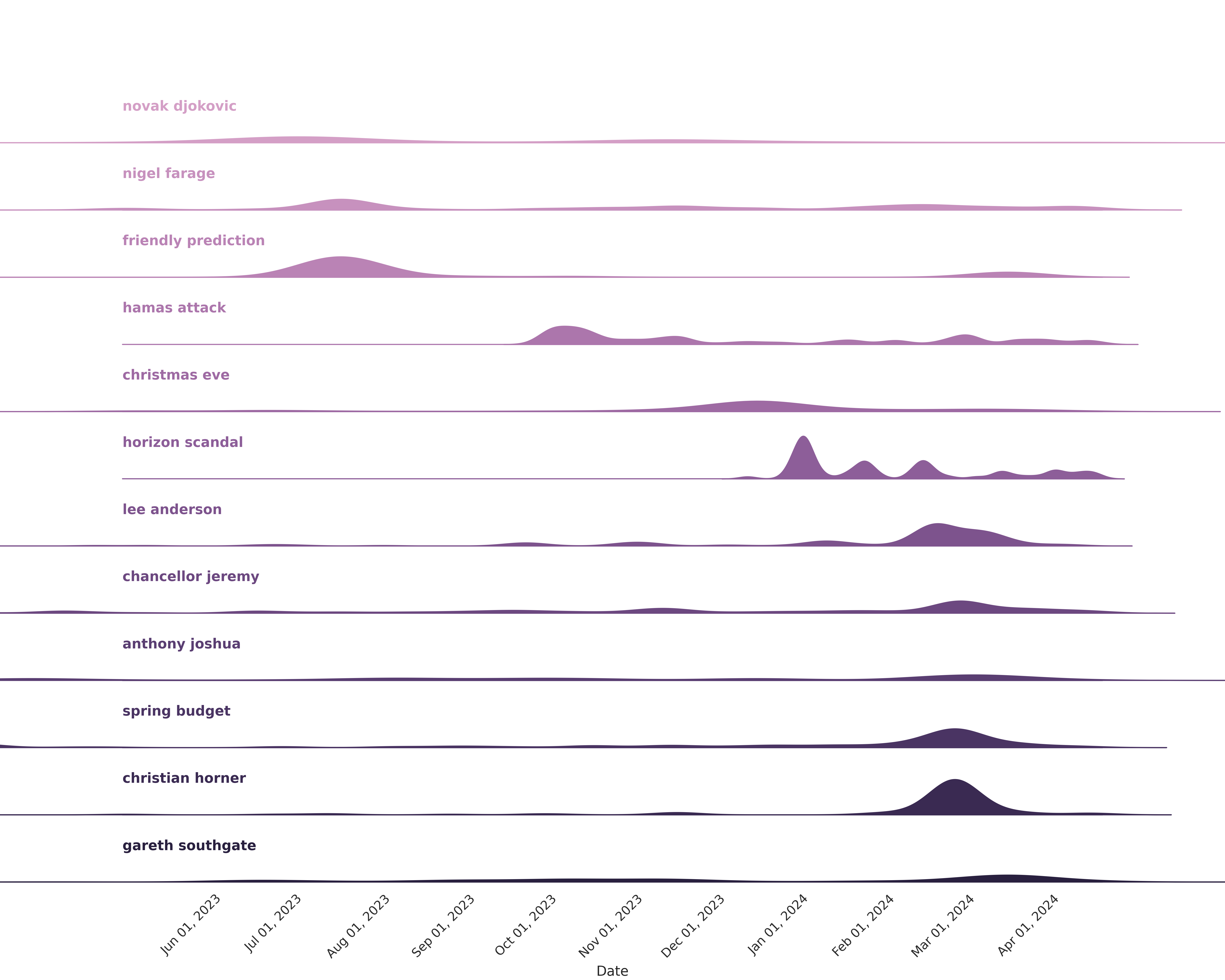
Compare Weekly Standard source-level patterns, recent coverage, and article evidence. Updated weekly.
Weighted source-level patterns from recent analyzed coverage. Open recent articles below to inspect score-specific evidence and limitations when available.
💡 Boring <—> Interesting10
😨 Fearful6
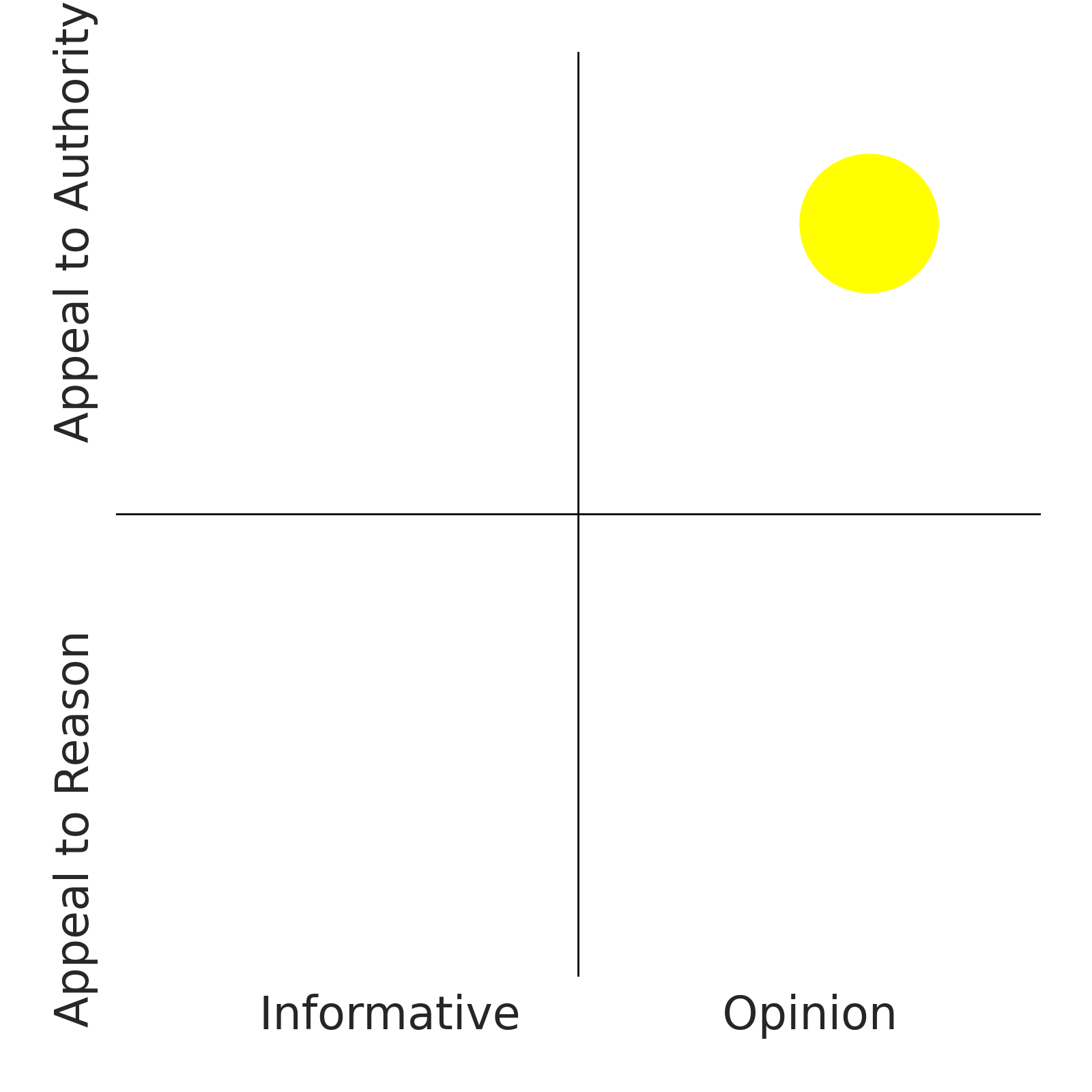
💭 Opinion35
🗳 Political8
🏛️ Appeal to Authority12
👀 Covering Responses10
😤 Overconfidence10
❌ Low Credibility <—> High Credibility ✅21
🤑 Advertising7
💔 Low Integrity <—> High Integrity ❤️13
🪨 Low Intelligence <—> High Intelligence 🦉26
🎭 Virtue Signaling12
🎲 Speculation14
🐍 Manipulative15
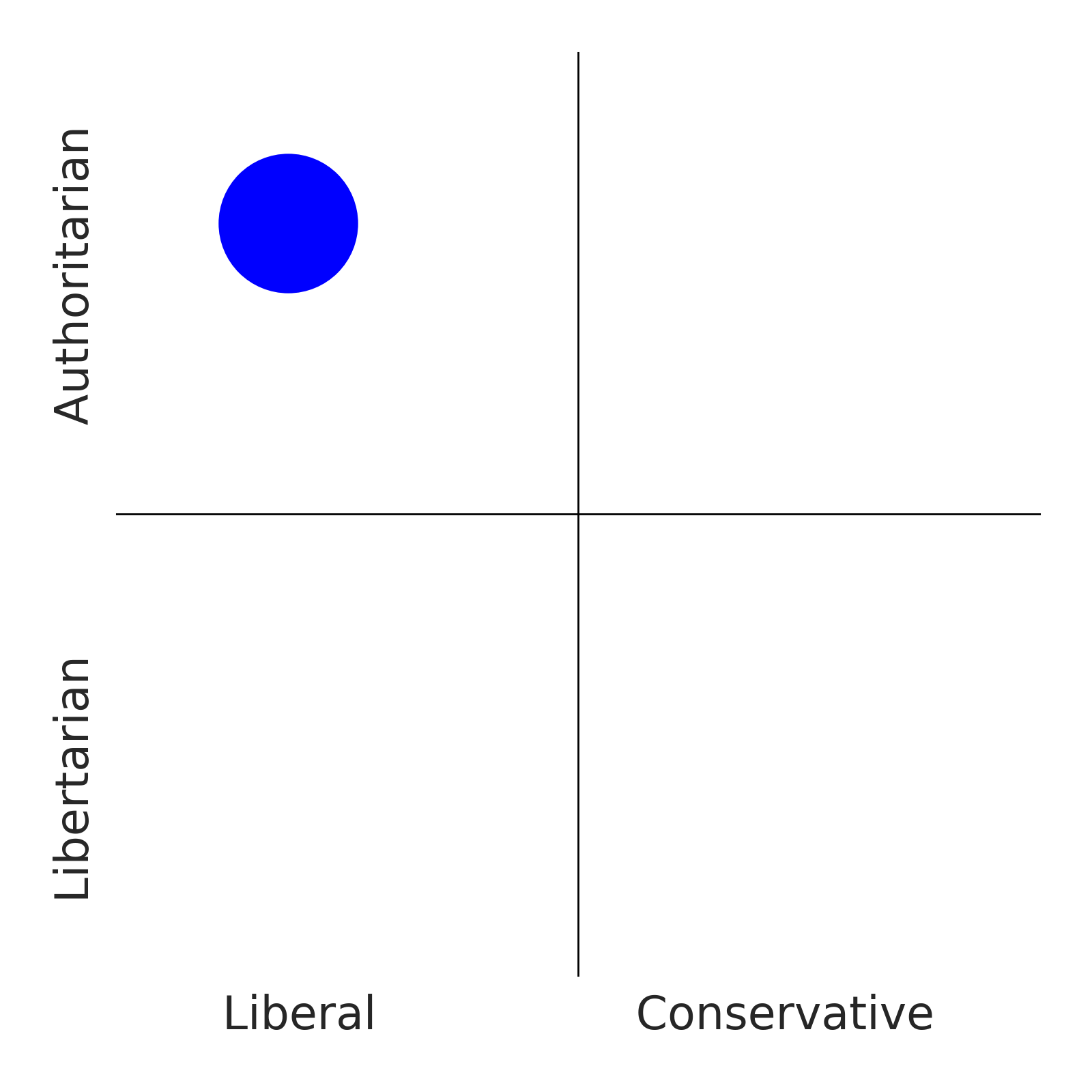
🔵 Liberal <—> Conservative 🔴0
🗽 Libertarian <—> Authoritarian 🚔1
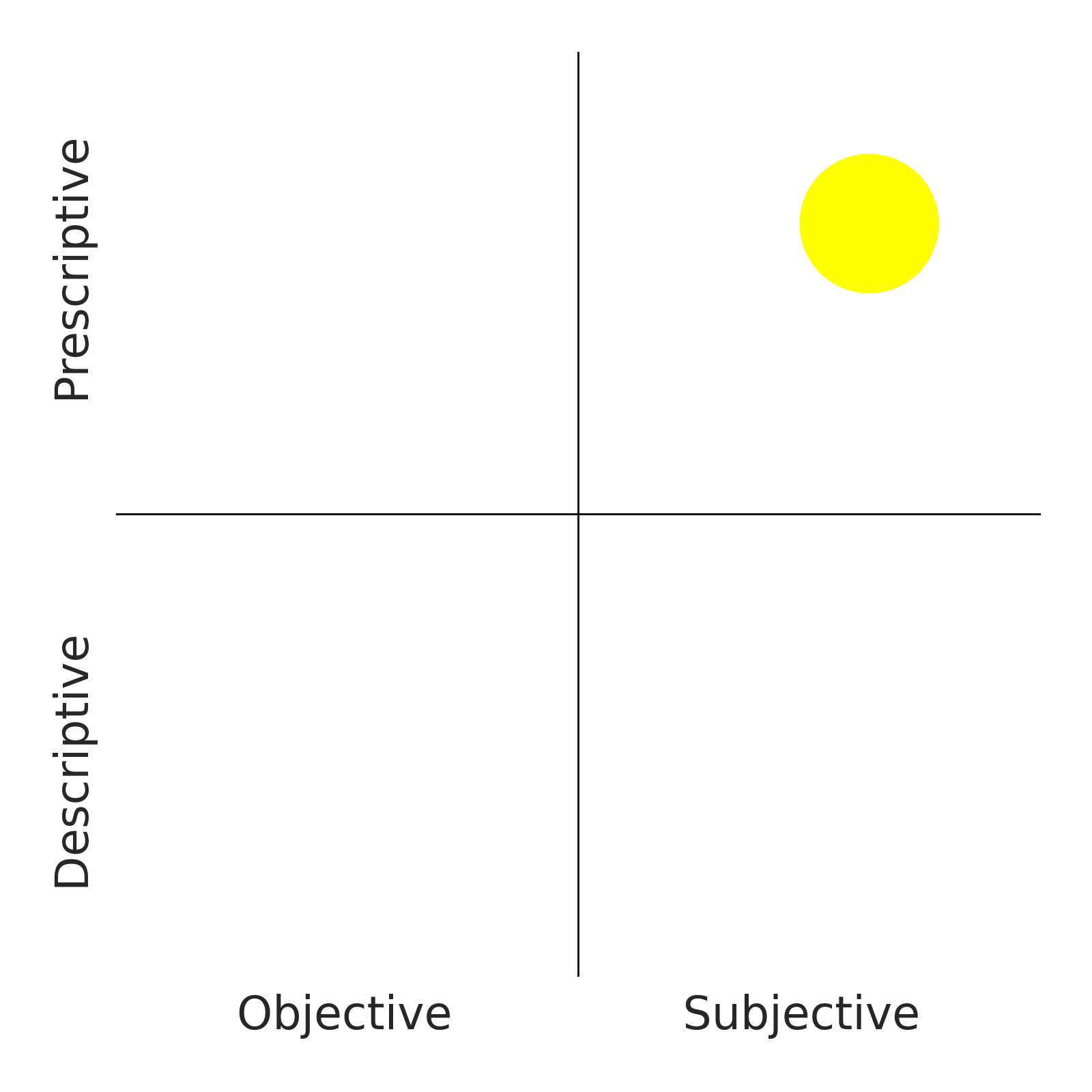
🗞️ Objective <—> Subjective 👁️ -2
🚨 Sensational0
📉 Bearish <—> Bullish 📈2
😩 Pessimistic <—> Optimistic 🌞5
📝 Prescriptive0
🕊️ Dovish <—> Hawkish 🦁1
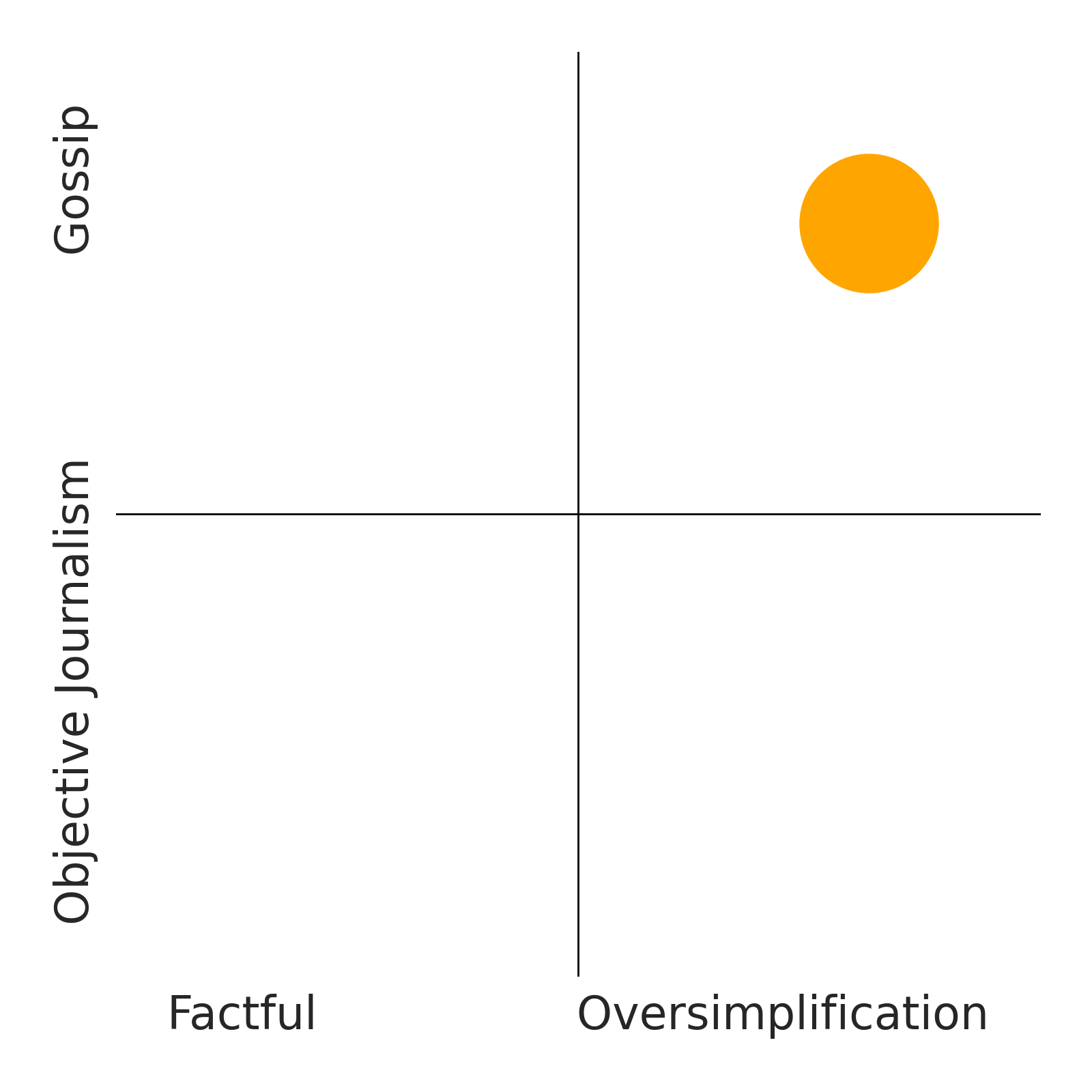
🗣️ Gossip4
Oversimplification4
🍼 Immature1
😢 Victimization4
🗑️ Spam1
🔒 Ideological4
🏴 Anti-establishment <—> Pro-establishment 📺5
🧠 Rational <—> Irrational 🤪-4
🤖 Written by AI0
🤑 Fraud0
✊ Woke0
🔪 Cruel0
🔍 Truth-seeking <—> Delusion 🌀0
🐐 Scapegoating0
🦊 Anti-Corporate <—> Pro-Corporate 👔2
🔬 Scientific <—> Superstitious 🔮-1
👤 Individualist <—> Collectivist 👥1
💊 Big Pharma2
September 30, 2026 · 0 shares
Energy-price-cap coverage frames the rise as a government accountability failure, foregrounding campaigners' warnings of winter hardship and avoidable deaths.
Automated analysis; not human reviewed. Limitations: The supplied article text is truncated and contains bracketed ellipses, so full context and attribution cannot be verified. · 6 of 55 available dimensions scored; omitted dimensions are not treated as neutral. · Verified supporting quotes for 5 of 6 scored dimensions.
Claim: The framing treats rising energy bills as an avoidable political failure and emphasizes harm to vulnerable households.
“If ministers do nothing, millions will spend this winter in […] Some will die.” · not found in supplied text
“Every one of those avoidable cases will be on this Chancellor’s watch.” · exact text match
Why: The selection and prominent placement of these warnings assigns responsibility for preventable deaths to the government.
Claim: The report uses emotionally charged language and amplifies dread rather than confining itself to neutral terms.
“household bills could soar by almost another £300 from January” · exact text match
“the energy bill is the one they dread the most” · exact text match
Why: The publisher chooses 'soar' in its own framing and highlights the word 'dread' in a quoted response.
Claim: The article uses dramatic, mortality-focused pull quotes and elevated language.
“Some will die.” · exact text match
“household bills could soar by almost another £300 from January” · exact text match
Why: A stand-alone warning of death and the verb 'soar' push the report toward sensational presentation.
Claim: The article emphasizes danger, deterioration, and possible deaths rather than mitigation or improvement.
“most dangerous time of the year” · exact text match
“Some will die.” · exact text match
Why: The chosen warnings stress worsening fuel poverty and fatal consequences, producing a pessimistic frame.
Claim: The article is emotionally negative, using fear-laden language about bills and winter.
“the energy bill is the one they dread the most” · exact text match
“Some will die.” · exact text match
Why: The wording and quoted warnings are designed to evoke fear and concern about suffering.
Claim: The report attributes forecasts and warnings to identifiable sources and uses cautious hedging.
“Cornwall said its latest predicted increase is driven by the escalating conflict in the Middle East” · exact text match
“Simon Francis, co-ordinator of the coalition, said” · exact text match
Why: Named attribution and source-based forecasts support a moderately credible reporting stance, though much of the emotional weight comes from quoted campaigners.
The supplied article text is truncated and contains bracketed ellipses, so full context and attribution cannot be verified.
October 06, 2026 · 0 shares
Grief-centred accountability framing leads with the family's claim that he was 'wrongly told' and foregrounds tragic details before including the university's apologetic response.
Automated analysis; not human reviewed. Limitations: The supplied text is a short news brief with no byline; the family's causal account and the university's internal findings are reported secondhand and no independent records are included. · 5 of 55 available dimensions scored; omitted dimensions are not treated as neutral. · Verified supporting quotes for 3 of 5 scored dimensions.
Claim: The lead uses an evaluative, family-led framing by treating the university's notice as 'wrongly told' before the university's response appears.
“after being wrongly told he would not be eligible to graduate” · exact text match
Counterevidence:
“A University of Glasgow spokesman said: "The University is profoundly sorry that Ethan tragically took his own life and fully understands the deep distress this has caused his family."” · not found in supplied text
Why: The phrase 'wrongly told' is an evaluative characterization, but it is later supported by an internal investigation and the article includes the university's apologetic response, so the subjective tilt is limited.
Claim: The overall emotional valence is tragic and warning-focused, with no countervailing positive outcome except procedural apologies.
“The family were devastated to learn the mistake had passed through multiple levels of the university’s assessment and examination process without being detected.” · exact text match
“or it is only a matter of time before another family experiences the same tragic loss.” · exact text match
Counterevidence:
“The university fully accepted the recommendations and is on track to implement them.” · exact text match
Why: The reported outcome is a death and a settlement, and the selected quotes emphasise systemic failure; the university's remedial steps add a mildly constructive note but do not offset the negative frame.
Claim: The report foregrounds highly emotional, tragic details about the death's timing and discovery.
“the day he should have been graduating” · exact text match
“He was found dead in his bedroom by his mother Tracy Scott early that morning.” · exact text match
Why: These details are not necessary to report the settlement; their inclusion heightens negative emotional impact.
Claim: The report is credible at the level of visible sourcing and attribution, though its core factual claims are not independently verified.
“The family released a statement through their solicitor Aamer Anwar.” · not found in supplied text
“The sum of the settlement with the university has not been disclosed.” · exact text match
Why: It names a solicitor and a university spokesman and notes the undisclosed settlement amount, but several central facts rest on the family's own account.
Claim: The article shows observable fairness by attributing statements to identified parties and printing the university's apology and remedial commitments.
“The family released a statement through their solicitor Aamer Anwar.” · not found in supplied text
“A University of Glasgow spokesman said: "The University is profoundly sorry that Ethan tragically took his own life and fully understands the deep distress this has caused his family."” · not found in supplied text
Why: Both sides are directly quoted and the university's apologetic and remedial response is included, so the report does not appear to suppress the university's position.
The supplied text is a short news brief with no byline; the family's causal account and the university's internal findings are reported secondhand and no independent records are included.
September 30, 2026 · 0 shares
Framing emphasizes an avoidable local funding crisis by using alarmist words like 'huge', 'dire', and 'sweeping' and by giving more weight to council sources than to government arguments.
A UK local authority must set a balanced budget and can raise council tax; central government funding changes can force councils to choose between tax increases and service cuts.
Automated analysis; not human reviewed. Limitations: The supplied article text is truncated with ellipses and contains consent/prompt artifacts, so exact wording and some context are incomplete. · 6 of 55 available dimensions scored; omitted dimensions are not treated as neutral. · Verified supporting quotes for 1 of 6 scored dimensions.
Claim: The publisher uses evaluative and emotive language rather than neutral description.
“Another London borough braces residents for huge council tax hikes as it faces 'dire' choice.” · exact text match
“sweeping cuts to its funding by central government.” · exact text match
Why: The words 'huge', 'dire', and 'sweeping' carry negative evaluation and set an alarmist tone.
Claim: The article's overall framing is negative and pessimistic about the council's future.
“It's dire, we're in an impossible situation of either massively hiking people's bills or cutting services that they rely on.” · not found in supplied text
“This will be the worst settlement since the aftermath of the Second World War.” · not found in supplied text
Why: The selected quotes emphasize unavoidable worsening, with no positive or offsetting outlook presented.
Claim: The article uses language intended to alarm residents.
“Another London borough braces residents for huge council tax hikes as it faces 'dire' choice.” · exact text match
“Councils across the country are on the verge of bankruptcy.” · not found in supplied text
Why: The verb 'braces' and phrase 'on the verge of bankruptcy' are designed to activate fear.
Claim: The article presents a complex budget situation as a simple two-option crisis.
“either massively hiking people's bills or cutting services that they rely on.” · not found in supplied text
Why: The crisis is reduced to two options, omitting other possible budget measures such as using reserves or reallocating spending, though the line is quoted from a source.
Claim: The article's emotional valence is strongly negative.
“It's dire, we're in an impossible situation.” · not found in supplied text
“This will be the worst settlement since the aftermath of the Second World War.” · not found in supplied text
Why: Highly emotive words like 'dire' and 'worst settlement' dominate the emotional register and push the reader toward alarm.
Claim: The publisher uses asymmetric standards and loaded framing, presenting council claims as fact-like while reducing the government's position to an argument.
“Hammersmith and Fulham council has warned it is losing 40% of its £222million annual budget under Labour’s ‘Fair Funding’ review.” · not found in supplied text
“Ministers have argued that local authorities with “historically low” council tax levels will have the cash they receive from Whitehall slashed.” · not found in supplied text
Why: The council's warning is reported as a fact-like statement, while the government's position is demoted with 'have argued', and an anonymous 'is understood' claim is introduced without sourcing.
The supplied article text is truncated with ellipses and contains consent/prompt artifacts, so exact wording and some context are incomplete.
September 16, 2026 · 0 shares
Reporting frames the verdict as legally determined by weak evidence while using the family’s grief and criticism to emphasize systemic military failures in handling sexual-assault complaints.
The officers were tried on service-misconduct charges arising from their handling of Gunner Beck's disclosure, not on charges of assaulting her.
Automated analysis; not human reviewed. Limitations: The supplied article text is truncated and interleaved with boilerplate, so exact context for several passages and quotes cannot be fully verified. · 5 of 54 available dimensions scored; omitted dimensions are not treated as neutral. · Verified supporting quotes for 4 of 5 scored dimensions.
Claim: Framing emphasizes the gravity and emotional pain of the case through selected details about death, assault, and family anguish.
“Gunner Beck was found dead at Larkhill Camp in Wiltshire in December 2021.” · exact text match
“do not fill us with optimism that service personnel being preyed upon by their seniors will feel confident coming forward” · exact text match
Why: The publisher leads with and repeats emotionally loaded material, especially quoted grief and the phrase 'preyed upon', while the legal outcome is presented through the judge's reserved language.
Claim: The overall tone is pessimistic about military culture, highlighting that victims lack confidence and that reform is incomplete.
“do not fill us with optimism that service personnel being preyed upon by their seniors will feel confident coming forward” · exact text match
“there is more to do” · exact text match
Why: The chosen closing and family statements emphasize doubt about improvement, and the official reforms are reported only as pledges.
Claim: The report carries a sombre, negative emotional cast through family expressions of pain and blame.
“And it continues to cause us enormous pain” · exact text match
“it remains true to say that the Army let our daughter down very badly” · not found in supplied text
Why: Direct quotes from the bereaved mother supply a negative emotional frame that goes beyond a neutral legal docket.
Claim: The report relies on named court officials, specific quotes, and procedural details, making it credible on its face.
“Judge Advocate General Edward Legard said there was insufficient evidence to safely convict Colonel Samantha Shepherd and Major James Hook.” · exact text match
“Michael Webber, 43, was jailed for six months by a military court last year after pleading guilty to sexually assaulting Gunner Beck five months before her death.” · exact text match
Why: Multiple anchored details and explicit attribution to the court support visible credibility, independent of whether every reported claim is externally fact-checked.
Claim: The article attributes contested assertions and uses direct quotes, showing sourcing discipline.
“Prosecutors said that Maj Hook did not treat the matter with the seriousness it deserved and Col Shepherd deliberately failed to pass on crucial details when she reported the matter.” · exact text match
“Col Shepherd denied that she deliberately failed to mention to Captain King that the teenager had alleged the warrant officer had touched her, or tried to touch her.” · exact text match
Why: Contested claims are attributed to prosecutors and to the defence, and direct quotations preserve the distinction between allegation and ruling.
The supplied article text is truncated and interleaved with boilerplate, so exact context for several passages and quotes cannot be fully verified.
September 30, 2026 · 0 shares
Frames Greggs' proposed factory closures as a sad local jobs story, leading with a councillor's sympathetic reaction and emphasizing community impact.
Automated analysis; not human reviewed. Limitations: The supplied article text is truncated with ellipsis placeholders, so the framing assessment relies on incomplete content and cannot evaluate later sections or context. · 1 of 55 available dimensions scored; omitted dimensions are not treated as neutral. · Verified supporting quotes for 1 of 1 scored dimensions.
Claim: The article selects emotionally negative language and quotes to frame the closure as a distressing community event.
“‘Sad day’ for Scottish workers as Greggs plans to shut factory” · exact text match
“thoughts today are really with them because it’s an uncertain future.” · exact text match
Why: The headline leads with a sorrowful quote and the body emphasizes uncertainty and regret, giving the report a negative emotional framing.
The supplied article text is truncated with ellipsis placeholders, so the framing assessment relies on incomplete content and cannot evaluate later sections or context.
September 16, 2026 · 0 shares
Framing centres Labour and resident criticism of the £958 Wandsworth increase as an unfair, alarming burden, while giving the council's financial-pressure defence less prominence.
Council tax in England is a local property tax set by local authorities according to valuation bands; Band D is a commonly used benchmark for a typical household. The article concerns a politically sensitive rise in Wandsworth, a London borough.
Automated analysis; not human reviewed. Limitations: The supplied article text is truncated and mixed with consent prompts, promotional links, and ellipses, so the exact wording around omitted passages and any balancing material is uncertain. · 7 of 55 available dimensions scored; omitted dimensions are not treated as neutral. · Verified supporting quotes for 2 of 7 scored dimensions.
Claim: The framing is tilted toward Labour and residents' criticism of a Conservative-run council.
“After cutting their share of funding, […] already struggling with the cost of essentials, finding an extra £958 a year will be extremely difficult.” · not found in supplied text
“Labour condemns Wandsworth Council’s plans to increase council tax for a Band D property by £958 as ‘outrageous’” · exact text match
Counterevidence:
“We do not want to do this, and we do not take this decision lightly, but the scale of the financial pressure facing Wandsworth means additional income is now needed to protect the services people rely on.” · exact text match
Why: The publisher's own sentence presents the rise as a funding-cut-driven hardship before any independent evidence, and the headline elevates Labour's 'outrageous' label.
Claim: The article intermixes factual reporting with evaluative hardship framing.
“After cutting their share of funding, […] already struggling with the cost of essentials, finding an extra £958 a year will be extremely difficult.” · not found in supplied text
“It's a huge increase and there's no warning, it's not gradual, it just feels insane.” · exact text match
Why: The first quoted sentence offers an un-sourced subjective assessment in the reporter's voice; the second is selected to reinforce emotional alarm.
Claim: The language in the headline and selected quotes emphasizes shock and alarm.
“It's a huge increase and there's no warning, it's not gradual, it just feels insane.” · exact text match
“The Conservatives only very narrowly won the election against a Labour Council who would not have brought in this shocking increase.” · exact text match
Why: Words such as 'huge', 'no warning', 'insane', and 'shocking increase' place a sensational frame on a local tax decision.
Claim: The piece is opinion-laden even though it is news reporting.
“After cutting their share of funding, […] already struggling with the cost of essentials, finding an extra £958 a year will be extremely difficult.” · not found in supplied text
“Labour condemns Wandsworth Council’s plans to increase council tax for a Band D property by £958 as ‘outrageous’” · exact text match
Why: A headline value-judgment and an unevidenced statement about difficulty are used as framing devices.
Claim: The story is framed principally as a Labour-versus-Conservatives political confrontation.
“Labour condemns Wandsworth Council’s plans to increase council tax for a Band D property by £958 as ‘outrageous’” · exact text match
“The Conservatives only very narrowly won the election against a Labour Council who would not have brought in this shocking increase.” · exact text match
Why: The headline and article foreground party-electoral combat rather than only the mechanics or impact of the council-tax rise.
Claim: The selected wording carries a predominantly negative emotional tone.
“After cutting their share of funding, […] already struggling with the cost of essentials, finding an extra £958 a year will be extremely difficult.” · not found in supplied text
“There seems to be a lot of finger pointing, but not much compassion from the council.” · exact text match
Why: Phrases such as 'struggling', 'extremely difficult', 'finger pointing', and 'no warning' evoke concern and resentment.
Claim: The piece is broadly credible in attribution but not independently verifiable from the excerpt.
“One resident from Battersea told The Standard: 'It's gonna be a pinch, and I will feel that.'” · not found in supplied text
“We do not want to do this, and we do not take this decision lightly, but the scale of the financial pressure facing Wandsworth means additional income is now needed to protect the services people rely on.” · exact text match
Why: The text provides direct quotes from identifiable local sources and includes the council's own rationale, but no figures, dates, or official documents are shown.
The supplied article text is truncated and mixed with consent prompts, promotional links, and ellipses, so the exact wording around omitted passages and any balancing material is uncertain.
October 05, 2026 · 0 shares
Framing relies on institutional economic sources and a mildly pessimistic inflation narrative, making rising business costs and potential rate hikes the central lens for the PMI data.
Automated analysis; not human reviewed. Limitations: The supplied text includes embedded consent text, unrelated headlines, and at least one grammatically garbled passage, making it harder to distinguish the main article from surrounding page content. · 10 of 55 available dimensions scored; omitted dimensions are not treated as neutral. · Verified supporting quotes for 6 of 10 scored dimensions.
Claim: The report is predominantly factual, presenting survey data and attributing interpretation to named sources.
“The S&P Global UK services PMI index showed a reading of 52.1 in September, down from 52.5 in August.” · exact text match
Why: The article leads with an index figure and keeps the reporter's voice neutral, attributing opinions to economists.
Claim: The article's outlook is tilted toward negative economic scenarios such as inflation and squeezed incomes.
“Rising energy prices risk pushing inflation above 4% early next year, which will push up business operating costs, squeeze households’ real incomes and potentially force the Bank of England to hike interest rates later this year.” · exact text match
Why: The most prominent forward-looking quote emphasizes risks and adverse consequences rather than opportunities.
Claim: The article describes findings rather than prescribing policy.
“September’s survey also marked two years of continuous job cutting across the services industry, albeit at the slowest rate for nearly a year.” · exact text match
Why: The reporter's own voice is limited to presenting the survey's findings, while policy recommendations appear only in attributed quotes.
Claim: Some language heightens concern about prices and living costs.
“The average price of diesel has rocketed to an all-time high, hitting £2 a litre last week.” · exact text match
Why: Words such as 'rocketed' and 'all-time high' amplify the negative price story, though the overall tone remains businesslike.
Claim: The article leans heavily on expert authorities for its key claims.
“Tim Moore, economics director for S&P Global Market Intelligence, said...” · not found in supplied text
“Thomas Pugh, chief economist for RSM UK, said...” · not found in supplied text
Why: The main analytical points are carried by named economists and the survey, with little independent verification, reflecting standard business-journalism practice.
Claim: The article grants institutional and corporate-economist sources prominence without dissenting voices.
“Tim Moore, economics director for S&P Global Market Intelligence, said...” · not found in supplied text
“Thomas Pugh, chief economist for RSM UK, said...” · not found in supplied text
Why: The piece draws exclusively on S&P Global survey data, a Bank of England framing, and two named economists, giving an establishment perspective.
Claim: The article carries a mildly negative emotional undercurrent.
“...squeeze households’ real incomes...” · not found in supplied text
Why: Phrases about squeezed incomes and inflation risk introduce an emotive negative framing, though muted overall.
Claim: The article demonstrates high credibility through attribution and specific data.
“The S&P Global UK services PMI index showed a reading of 52.1 in September, down from 52.5 in August.” · exact text match
Why: The piece provides specific figures, names its sources, and uses direct quotes, supporting a high credibility rating.
Claim: The article relies on expert causal explanation rather than emotive or superstitious reasoning.
“Surging fuel prices due to the Middle East conflict continued to drive up input cost inflation in September.” · exact text match
Why: Causal claims are attributed to Tim Moore of S&P Global, and the article presents logical connections between costs, prices, and policy.
Claim: The article meets high sourcing and attribution standards.
“Thomas Pugh, chief economist for RSM UK, said increased pressure on prices across the sector 'will worry the MPC (Monetary Policy Committee) and boosts the case for rate hikes later this year'.” · not found in supplied text
Why: All substantive claims are attributed to named individuals or the survey, and direct quotes are used without evident distortion.
The supplied text includes embedded consent text, unrelated headlines, and at least one grammatically garbled passage, making it harder to distinguish the main article from surrounding page content.
October 07, 2026 · 0 shares
A first-person campaign op-ed that uses visceral climate and housing fears to argue that only a Green by-election victory can restrain the Labour government.
Automated analysis; not human reviewed. Limitations: The supplied text is a single first-person campaign statement with no independent reporting or external sourcing, so claims about government motives are not externally verifiable. · 16 of 55 available dimensions scored; omitted dimensions are not treated as neutral. · Verified supporting quotes for 16 of 16 scored dimensions.
Claim: The text advocates left/progressive policies including government rent controls, climate action, and opposition to oil and gas drilling.
“I called on the government to introduce an emergency brake on rents” · exact text match
“new drilling for oil and gas, which we know will create a more dangerous climate” · exact text match
Why: Support for rent regulation and restrictions on fossil fuel extraction is a standard progressive/left political platform.
Claim: The framing pits ordinary voters and communities against the Labour government, urging an 'independent' MP to keep the government in check.
“voting Green to elect an independent local MP who will fight for their communities and keep the Labour government in check” · exact text match
“send a clear message to the government about what people really want” · exact text match
Why: It casts the candidate as a grassroots challenger to the governing party, a populist framing.
Claim: The article supports government intervention through rent controls and government action on climate.
“I called on the government to introduce an emergency brake on rents” · exact text match
“we need the government to take action to keep people safe in the future” · exact text match
Why: Rent controls and mandated climate action rely on state intervention, tilting away from libertarian individual choice.
Claim: The piece is a first-person opinion and campaign statement built on personal anecdotes and emotional judgments.
“I’ve knocked on hundreds of doors over the last few weeks. It’s been amazing” · exact text match
“That makes me desperately sad” · exact text match
Why: The text uses personal experience and emotional reactions as the central basis of its argument.
Claim: Emotionally charged language heightens the presentation beyond neutral policy reporting.
“The extreme heat this summer was terrifying” · exact text match
“Too many young families are being forced to choose between moving out of the city they love, or giving up on their dream of having kids” · exact text match
Why: Dramatic wording such as 'terrifying' and 'forced to choose' amplifies emotional impact.
Claim: The article is dominated by prescriptions for government action and election outcomes.
“I called on the government to introduce an emergency brake on rents” · exact text match
“we need the government to take action to keep people safe in the future” · exact text match
“make sure they act on the things that matter to Holborn and St Pancras” · exact text match
Why: It repeatedly tells the government and voters what should happen rather than describing facts.
Claim: The article is a candidate's opinion piece, not a factual news report.
“I’m standing to be the next MP for Holborn and St Pancras because we need action from the government” · exact text match
“But if I win, that will keep Labour in check” · exact text match
Why: It states a personal platform and advocates a specific election outcome.
Claim: The content is electoral politics: a by-election campaign, party competition, and policy demands.
“voting Green to elect an independent local MP” · exact text match
“candidate for the Holborn and St Pancras by-election” · exact text match
Why: The text directly advocates for a political candidate and party in an election.
Claim: The government's delay on oil and gas is reduced to a single motive: fear of losing Green votes.
“The only thing that stopped them? They were scared of losing votes to the Greens in this by-election – so they’ve delayed that vital decision until after this election is over” · exact text match
Why: It presents a complex political decision as having one simple cause.
Claim: The article states causal and motivational claims as certain without supplying evidence.
“which we know will create a more dangerous climate” · exact text match
“The only thing that stopped them? They were scared of losing votes” · exact text match
Why: No evidence is given, yet the claims are framed as known facts.
Claim: The article positions itself against the current Labour government and urges an electoral check on it.
“keep the Labour government in check” · exact text match
“It forced the Labour government to give up on some of their most unpopular policies” · exact text match
Why: The framing is oppositional to the governing party, reflecting an anti-establishment stance toward current power holders.
Claim: The emotional valence is predominantly negative: fear, sadness, and worry.
“The extreme heat this summer was terrifying” · exact text match
“That makes me desperately sad” · exact text match
“people tell me they’re so worried about what the future will look like for their children” · exact text match
Why: The dominant affective words are fearful and sad, creating a negative emotional pull.
Claim: The article's assertions are largely unsupported, with motives presented as facts and no sourcing.
“The only thing that stopped them? They were scared of losing votes to the Greens” · exact text match
“which we know will create a more dangerous climate” · exact text match
Why: Unverified causal and motivational claims lower visible credibility despite clear attribution to the author.
Claim: The article favors collective and government solutions over individual or market responses.
“we need action from the government to tackle issues like the high cost of housing” · exact text match
“safe communities” · exact text match
Why: Rent controls and government climate action are collective interventions rather than individual or market-based solutions.
Claim: It speculates about Labour's internal motives and the electoral consequences of the by-election.
“They were scared of losing votes to the Greens in this by-election – so they’ve delayed that vital decision” · exact text match
“If Labour wins, that sends a signal that they don’t have to worry about caring about the climate” · exact text match
Why: These are unverified projections about private motivations and future political signals.
Claim: The text uses loaded emotional language and presents a one-sided narrative to persuade.
“The extreme heat this summer was terrifying” · exact text match
“The only thing that stopped them? They were scared of losing votes” · exact text match
Why: Fear-based language and an asserted political motive are observable persuasion techniques.
The supplied text is a single first-person campaign statement with no independent reporting or external sourcing, so claims about government motives are not externally verifiable.
April 21, 2026 · 0 shares
Activist-led, pro-Palestinian framing dominates, foregrounding calls to boycott Eurovision and accusing Israel of genocide and EBU hypocrisy, while largely omitting Israeli perspectives and counterarguments, indicating a liberal-leaning, anti-establishment bias.
A report on a boycott letter organized by NMFG signed by 1,100 artists, calling for Israel's ban from Eurovision 2026 and alleging genocide while criticizing EBU, with references to Russia's 2022 ban and to other activist groups.
slight liberal tilt toward Palestinian advocacy; may underplay counterpoints.
May 02, 2026 · 0 shares
Pro-Union, anti-SNP, Conservative-leaning framing that depicts SNP governance as a long-running failure and urges pro-UK votes, using emotive crisis rhetoric to justify a political agenda.
Conservative-leaning critique of SNP governance in Scotland, alleging public-service decline and urging a pro-UK vote while framing independence as a threat.
Trained on Western sources; may bias toward mainstream political framing.
Coverage of SNP plans to cap essential-food prices via public health powers blends supportive framing with industry and government criticisms, indicating a mild left-leaning, pro-government tilt while emphasizing opposition to vested interests and the far-right.
Coverage describes the SNP's proposal to cap essential-food prices using public health powers, with criticisms from industry and the UK Government and a vow to oppose the far-right.
Western-media tilt; Scottish nuance may be underrepresented.
A celebrity personal-essay format that presents subjective experiences and opinions without objective reporting or argumentative framing.
Automated analysis; not human reviewed. · 6 of 52 available dimensions scored; omitted dimensions are not treated as neutral. · Verified supporting quotes for 5 of 6 scored dimensions.
Claim: The article is entirely a first-person subjective narrative with personal preferences and experiences.
“My favourite place years ago, when I did used to leave the house, was the Arts Theatre Club on Frith Street.” · exact text match
Why: The text is consistently framed as personal opinion and memory, lacking any objective or third-party verification.
Claim: The article holds moderate interest as a personal glimpse into a celebrity's life.
“There is something really special about being away together with no work and no distractions.” · exact text match
Why: The content is engaging for fans but limited in general appeal, with no breaking news or controversy.
Claim: The article is heavily opinionated, filled with personal judgments and recommendations.
“The food is fantastic.” · exact text match
Why: The text uses overtly evaluative language (fantastic, incredible, most fun) without factual support, characteristic of opinion-based content.
Claim: The article conveys a consistently positive emotional tone.
“I am so excited to host it with Johannes Radebe and Josh Widdicombe.” · exact text match
Why: The author expresses excitement, fondness, and appreciation throughout, creating a positive emotional framing.
Claim: The article is credible as a personal account but not independently verifiable.
“I’ve just come back from a 100km trek for CoppaFeel! with my best mate Giovanna Fletcher and more than 100 amazing trekkers.” · exact text match
Why: Factual claims (trek, hosting, locations) are specific and plausible, but the article relies on self-report without external confirmation.
Claim: The article exhibits human-written stylistic features, such as personal anecdotes and conversational flow.
“I have very cold, sore bones and a screwed knee, but it’s all worth it to raise money for the charity and awareness of breast cancer.” · not found in supplied text
Why: The informal first-person narrative, specific personal details, and natural phrasing are strong indicators of human authorship.
September 28, 2026 · 0 shares
A self-styled menswear expert uses self-promotional, celebratory language to recommend London shops and elevates personal taste and celebrity associations into authority.
Automated analysis; not human reviewed. Limitations: The supplied text is truncated and contains boilerplate, so the analysis is based on the visible first-person promotional passages. · 11 of 55 available dimensions scored; omitted dimensions are not treated as neutral. · Verified supporting quotes for 11 of 11 scored dimensions.
Claim: The article adopts an expert-driven, aspirational stance toward high-end and celebrity-linked menswear.
“I can thereby think of no one more qualified than myself” · exact text match
“dressing Hollywood A-listers (Tom Holland” · exact text match
Why: It positions the author's expertise and celebrity clientele as markers of authority and prestige.
Claim: The text is highly subjective, centered on the author's tastes and preferences.
“A personal favourite of mine, there’s nothing I like more than when my partner takes his annual trip to Wax London.” · exact text match
Why: The article explicitly frames its selection as a personal favourite rather than as objective fact.
Claim: The framing is celebratory and upbeat, emphasizing success and positive outcomes.
“It’s about time I used my menswear powers to do some good, like celebrating London’s homegrown talent” · exact text match
“going from full-blown liquidation to dressing Hollywood A-listers (Tom Holland” · exact text match
Why: The article frames shopping and the featured brand's trajectory in positive, triumphant language.
Claim: The article prescribes where readers should spend money.
“the very best spots to splash your cash ahead of autumn/winter” · exact text match
Why: The phrase 'very best spots' and 'splash your cash' are directive, evaluative recommendations.
Claim: The publisher's own framing is strongly opinion-based, using personal taste and self-qualification rather than neutral reporting.
“A personal favourite of mine, there’s nothing I like more than when my partner takes his annual trip to Wax London.” · exact text match
“I can thereby think of no one more qualified than myself to pick out the very best spots to splash your cash ahead of autumn/winter than myself.” · exact text match
Why: Recommendations are anchored in first-person preference and self-praise, with no external evaluative criteria.
Claim: The article relies on the author's self-proclaimed expertise and celebrity associations as authority.
“I’ve been a menswear expert for the past decade” · exact text match
“I can thereby think of no one more qualified than myself” · exact text match
Why: The recommendations rest on asserted expertise and status rather than on evidence or reasoning.
Claim: The article asserts the author's superiority as a guide with no supporting evidence.
“I can thereby think of no one more qualified than myself to pick out the very best spots to splash your cash ahead of autumn/winter than myself.” · exact text match
Why: This absolute self-credentialing claim exceeds what the supplied text can support.
Claim: The text contains promotional, low-substance fluff typical of advertorial shopping content.
“It’s about time I used my menswear powers to do some good, like celebrating London’s homegrown talent and best menswear shopping sites.” · exact text match
Why: The self-congratulatory and filler language adds little informational substance.
Claim: The language is emotionally positive and enthusiastic.
“there’s nothing I like more than when my partner takes his annual trip to Wax London” · exact text match
“A personal favourite of mine” · exact text match
Why: Explicit expressions of affection and enthusiasm convey a strong positive emotional stance.
Claim: The text offers minimal independent sourcing and relies on self-asserted authority, lowering its credibility as an informational source.
“I’ve been a menswear expert for the past decade” · exact text match
“I can thereby think of no one more qualified than myself” · exact text match
Why: No external verification is provided for the expertise or the evaluative claims.
Claim: The article functions as promotional content for retailers, urging readers to spend money.
“very best spots to splash your cash ahead of autumn/winter” · exact text match
“dressing Hollywood A-listers (Tom Holland” · exact text match
Why: The wording encourages consumer spending and uses celebrity association as a selling point.
The supplied text is truncated and contains boilerplate, so the analysis is based on the visible first-person promotional passages.
May 18, 2026 · 0 shares
Review leans positively toward Harry Styles and his live performance, emphasizing energy, crowd engagement, and live reinterpretation of newer material, while neutrally noting mixed reception to the album in a contextual frame.
Concise, factual live-review context: a positive Amsterdam show from the Together, Together tour emphasizing performance energy, setlist choices, and album reception.
Training data biases toward popular culture; aim for balance.
May 08, 2026 · 0 shares
My training data overrepresents Western politics and media framing.
July 20, 2026 · 0 shares
Foregrounds Chris Packham's animal-welfare critique and activism against farming portrayals, presents Jeremy Clarkson's rebuttals, and uses charged language that leans toward liberal-leaning framing while attempting balance.
Public feud coverage in Evening Standard about Packham vs Clarkson on farm portrayal and activism, including claims about farm conditions and calls for policy changes, with quotes from both sides and context of public opinion and protest.
Automated analysis; not human reviewed. Limitations: Concise, case-specific limitations and plausible alternative interpretations. · 6 of 52 available dimensions scored; omitted dimensions are not treated as neutral. · Verified supporting quotes for 2 of 6 scored dimensions.
Claim: Reporting frames the issue through animal-welfare activism and anti-industrial farming perspectives, indicating liberal-leaning framing.
“The industrial farming fraternity love Clarkson’s Farm because it gives them something pretty to hide behind, a friendly flagship of good ol’ wholesome values. The truth is so very different, and it’s a truth that needs to be told for the sake of animal welfare, wildlife, human health and a secure environmental future.” · exact text match
“In May, he called for the government to ban trail and fox hunting and spoke at a protest of 300 people in Westminster organised by the League Against Cruel Sports.” · exact text match
“I’m now 65-years old, and I cannot believe that I’m standing here, and this is still going on. We elected a government with a massive majority and a manifesto pledge to stop fox hunting.”” · not found in supplied text
Counterevidence:
““Now, of course this kind of stuff plays well in a room full of nose rings and Palestine flags at a vegan activist meeting in Hackney.”” · not found in supplied text
““If there had been some animals in a crate, being crushed, I’m sure he would have noticed and said something.”” · exact text match
Why: Activist rhetoric and policy targets signal liberal-leaning framing, tempered by Clarkson's counter-remarks.
Claim: The piece interleaves opinion with reporting, creating a subjective tone rather than purely neutral coverage.
““That’s not what a farm looks like. Most farms are horrible monocultures…”” · not found in supplied text
““The truth is so very different, and it’s a truth that needs to be told for the sake of animal welfare, wildlife, human health and a secure environmental future.”” · not found in supplied text
““They can shoot at the messenger, but they will not silence the truth, even if Jezza has a big mouth.”” · exact text match
Counterevidence:
“The article also presents Clarkson’s rebuttals and uses factual statements about Packham’s activism.” · not found in supplied text
Why: Loaded language and direct quotes indicate subjectivity, even with balanced coverage.
Claim: The article prescribes action (ban fox hunting) and frames reform as necessary.
“I’m now 65-years old... manifesto pledge to stop fox hunting”” · not found in supplied text
““They’ve had a consultation, which most of us consider unnecessary, given that at least 80% of the British public want an end to this hideous, sociopathic practice.”” · not found in supplied text
““The industrial farming fraternity love Clarkson’s Farm because it gives them something pretty to hide behind, a friendly flagship of good ol’ wholesome values. The truth is so very different, and it’s a truth that needs to be told for the sake of animal welfare, wildlife, human health and a secure environmental future.”” · exact text match
Counterevidence:
“The article includes Clarkson's responses.” · not found in supplied text
Why: Explicit calls for policy change and normative framing of welfare outcomes.
Claim: Generalizations about farms and public opinion are presented as representative.
““That’s not what a farm looks like. Most farms are horrible monocultures...” · not found in supplied text
““80% of the British public want an end to this hideous, sociopathic practice.”” · not found in supplied text
““The industrial farming fraternity love Clarkson’s Farm because it gives them something pretty to hide behind, a friendly flagship of good ol’ wholesome values.”” · not found in supplied text
Counterevidence:
“The article also mentions public response and some counterpoints from Clarkson.” · not found in supplied text
Why: Broad generalizations presented as representative of farms and public sentiment.
Claim: Phrases asserting certainty about “the truth” and future outcomes indicate overconfidence beyond the evidence.
“The truth is so very different, and it’s a truth that needs to be told for the sake of animal welfare, wildlife, human health and a secure environmental future.” · exact text match
“They can shoot at the messenger, but they will not silence the truth, even if Jezza has a big mouth.” · exact text match
Counterevidence:
“The article also presents Clarkson’s rebuttals and attempts to show a balanced view.” · not found in supplied text
Why: Certainty is asserted about broad claims beyond the presented events.
Claim: The reporting shows sourcing and balance through direct quotes and a direct line to comment.
“The Standard has contacted Clarkson’s representative for comment.” · exact text match
“Packham is an outspoken activist for animal rights, environmental protection and climate change.” · exact text match
“He was appointed a CBE for his services to nature conservation in 2019.” · exact text match
Counterevidence:
“Loaded language and selective quotes could influence interpretation.” · not found in supplied text
Why: Sourcing and balanced quotes support credibility, but editorial framing could affect neutrality.
Activist framing; reliance on quotes; limited independent verification; potential liberal tilt.
September 03, 2026 · 0 shares
Headline and closing imperative frame dating apps and Big Tech as the primary killers of romance, amplifying Ash Sarkar's anti-corporate critique rather than neutrally reporting it.
Automated analysis; not human reviewed. Limitations: The supplied text is an interview/opinion piece with some promotional page artifacts; separating the publisher's own assertions from the subject's quoted opinions depends on punctuation and context, and the statistics are not independently verifiable from the text. · 11 of 54 available dimensions scored; omitted dimensions are not treated as neutral. · Verified supporting quotes for 11 of 11 scored dimensions.
Claim: The piece is an opinion/profile interview whose closing line instructs readers rather than neutrally reporting.
“You heard her. Get deleting.” · exact text match
Why: The publisher abandons neutral distance by endorsing the interview subject's prescription.
Claim: The headline and closing use dramatic, life-or-death metaphors and imperative rhetoric.
“Death to dating apps: Ash Sarkar on how Big Tech killed romance.” · exact text match
Why: 'Death' and 'killed' present a cultural trend in catastrophic terms.
Claim: The article uses provocative language and contrarian argument to hold attention.
“You heard her. Get deleting.” · exact text match
“Death to dating apps: Ash Sarkar on how Big Tech killed romance.” · exact text match
Why: The dramatic headline, crude quotes, and direct closing imperative make the piece lively and attention-grabbing.
Claim: The piece moves from analysis to a direct recommendation that readers delete dating apps.
“My answer to how you fix anything is in-person social contact” · exact text match
“You heard her. Get deleting.” · exact text match
Why: The publisher's final line directly instructs readers to delete apps, making the piece prescriptive rather than descriptive.
Claim: The article is organized around a single commentator's opinions and the writer's own editorializing.
“Oh, 90 per cent!” · exact text match
“Granted, it’s not all dating apps’ fault.” · exact text match
Why: The core content is an interview subject's personal critique; the writer's 'Granted' concession is an evaluative judgment rather than neutral framing.
Claim: Complex social trends are reduced to a single Big Tech/smartphone cause.
“Oh, 90 per cent!” · exact text match
“there is no single explanation that makes sense for all countries apart from, ‘Here’s when smartphones were introduced,’” · exact text match
Why: The 90% blame attribution and smartphone-timing explanation collapse multiple economic, social, and cultural factors into one causal narrative.
Claim: The headline and quoted explanation assert causal certainty beyond the supplied evidence.
“Death to dating apps: Ash Sarkar on how Big Tech killed romance.” · exact text match
“Oh, 90 per cent!” · exact text match
Why: A causal conclusion is stated as fact, and the 90% attribution is not supported by data in the piece.
Claim: The piece attributes key opinions and cites specific statistics and named sources, though it does not link or independently verify them.
“Usage of the most popular dating apps in the UK has fallen by 24 per cent” · exact text match
“Sarkar points to a piece in the Financial Times” · exact text match
Why: Attribution is visible for several claims, but the piece is an opinion/profile and some numbers appear without source details.
Claim: The language is consistently anti-corporate, depicting Big Tech and dating apps as extractive and harmful.
“Big Tech is castrating us too” · exact text match
“scrambling to claw back interest, trust and (more importantly) money from their disheartened users” · exact text match
Why: The writer uses visceral anti-corporate language and frames companies' motives mainly as profit-seeking.
Claim: The piece includes unsupported forecasts about cultural change and solutions.
“The tide is already turning, she thinks, as we see phone-free childhoods and low screentimes being held up as markers of what she describes as the “high-status bourgeoisie”.” · exact text match
Why: The 'tide is already turning' claim is a forward-looking generalization, and the proposed solution is prescriptive speculation.
Claim: Big Tech is assigned overwhelming responsibility for romance's decline and loneliness.
“How much blame, I ask, can be laid at the door of Big Tech? “Oh, 90 per cent!” she says, not missing a beat.” · exact text match
Why: The exchange frames Big Tech as the dominant cause of a broad social problem, making it a scapegoat rather than one factor.
The supplied text is an interview/opinion piece with some promotional page artifacts; separating the publisher's own assertions from the subject's quoted opinions depends on punctuation and context, and the statistics are not independently verifiable from the text.
June 05, 2026 · 0 shares
No obvious bias; aims for objective analysis.
Gossip-driven entertainment coverage relies on unnamed insiders and tabloids to foreground sensational claims about Katie Price and husband Lee Andrews, emphasizing kidnapping rumors, social-media stalking, and allegations of deceit with limited verifiable evidence.
Entertainment tabloid report about Katie Price and Lee Andrews, citing The Sun and unnamed insiders, focusing on a missing husband, birthday neglect, and social-media intrigue.
Tabloid-tone bias; limited verification; sensitive to celebrity gossip.
July 31, 2026 · 0 shares
Presents speculative falsehoods about Manchester United's squad as factual reporting.
Automated analysis; not human reviewed. Limitations: The article contains many factual inaccuracies; analysis relies on internal consistency and framing, not external verification. · 9 of 52 available dimensions scored; omitted dimensions are not treated as neutral. · Verified supporting quotes for 9 of 9 scored dimensions.
Claim: Article fabricates objective-sounding details that are subjective inventions.
“New Manchester United signing Youri Tielemans has not been included in their squad to face Atletico Madrid.” · exact text match
Why: The article presents a fictional scenario as objective fact.
Claim: Article presents unsupported claims as certain facts.
“New Manchester United signing Youri Tielemans has not been included in their squad to face Atletico Madrid.” · exact text match
Why: The claim is stated without any attribution or hedge, implying certainty despite being false.
Claim: Article contains multiple unsubstantiated and false claims.
“Tielemans and Lammens featured in all of Belgium’s games as they reached the World Cup quarter-finals before losing 2-1 to eventual winners Spain.” · exact text match
Why: The claim about Spain winning the World Cup is false, damaging credibility.
Claim: Article presents logically inconsistent or false information as factual.
“Tielemans and Lammens featured in all of Belgium’s games as they reached the World Cup quarter-finals before losing 2-1 to eventual winners Spain.” · exact text match
Why: Spain did not win the 2022 World Cup; the statement is factually irrational.
Claim: Article speculates about future events as if certain.
“Instead, they are expected to be included in Michael Carrick’s squad in time for their next pre-season game against Paris Saint-Germain on Saturday, August 8.” · exact text match
Why: The word 'expected' indicates speculation, but it is presented as part of the narrative.
Claim: Article uses false information to manipulate reader perception of Manchester United's activities.
“New Manchester United signing Youri Tielemans has not been included in their squad to face Atletico Madrid.” · exact text match
Why: Presenting fabricated news as real is a manipulative technique.
Claim: Article makes false assertions about transfers, appointments, and tournament outcomes.
“The midfielder completed his move to Old Trafford on July 15, joining for £35million from Aston Villa after the 13-time Premier League winners activated his release clause.” · exact text match
Why: This assertion is factually incorrect and presented as true, indicating low integrity.
Claim: Article contains multiple factual errors, indicating low intelligence.
“The midfielder completed his move to Old Trafford on July 15, joining for £35million from Aston Villa after the 13-time Premier League winners activated his release clause.” · exact text match
Why: The error-ridden content demonstrates low intelligence.
Claim: Article describes a delusional scenario as reality.
“Carrick - who signed a two-year deal in May to become United’s permanent manager - is preparing his side for the Champions League after a two-year absence.” · exact text match
Why: Michael Carrick is not Manchester United manager; the scenario is delusional.
The article contains many factual inaccuracies; analysis relies on internal consistency and framing, not external verification.
September 02, 2026 · 0 shares
This news report frames Channel 4's documentary as controversial and follows the backlash, attributing criticism to external sources rather than adopting the medical claims as its own.
The article provides the necessary context as a news report about a controversial Channel 4 documentary and its backlash, including attributed statements from critics, an expert, and an official complaints body.
Automated analysis; not human reviewed. Limitations: The supplied text is a news article, and I can only evaluate it as presented; I cannot verify the underlying complaints, statements, or documentary content externally. · 48 of 54 available dimensions scored; omitted dimensions are not treated as neutral. · Verified supporting quotes for 44 of 48 scored dimensions.
Claim: The article's framing appears moderately left-of-center by criticizing the documentary and highlighting expert criticism, while still reporting official and charity sources.
“Following its release, charity ADHD UK immediately released a damning response, as it encouraged its supporters to file a complaint to Ofcom.” · exact text match
“In its own statement, the Royal College of Psychiatrists said: “The way we speak about neurodevelopmental conditions really matters. It can fuel harmful stigma experienced by people living with the condition and risk discouraging people from seeking the support and treatment they need.” · exact text match
Why: The article's overall political framing is left-of-center, but this is expressed through a selection of critical sources rather than overt editorializing.
Claim: The article gives limited weight to elite expert and charity voices, while the publisher itself stays in a neutral reporting position.
“Following its release, charity ADHD UK immediately released a damning response, as it encouraged its supporters to file a complaint to Ofcom.” · exact text match
Why: The visible reporting centers on official and expert criticism, which leans somewhat populist in its distrust of the documentary and its expert sources, but the article itself does not strongly adopt a populist or elitist stance.
Claim: The article's reporting does not reveal a strong libertarian-authoritarian bias; it stays within a moderate tone and reports official complaints and rebuttals.
“Following its release, charity ADHD UK immediately released a damning response, as it encouraged its supporters to file a complaint to Ofcom.” · exact text match
Why: The article does not advocate for specific coercive policies or individual liberty positions, so no strong signal is present.
Claim: The article maintains a largely objective tone by attributing claims and using neutral-sounding reporting language.
“On Tuesday, the latest complaints report from the broadcasting watchdog revealed that it had received a total of 10,217 complaints about the show, rising from 9,656 in the first week after the show had aired.” · exact text match
Why: The report uses attributed statements, official complaint figures, and direct quotes rather than asserting its own position.
Claim: The article is mildly critical of the documentary and the backlash, but the direction is not strongly bull or bear on a market metric.
“Documentary that claimed understanding of ADHD as a neurodevelopmental disorder was ‘not supported by the evidence’ was met with immediate backlash” · exact text match
Why: The framing around the documentary's reception and the critical reaction gives it a mildly bearish market tone, but the underlying event is not a financial asset.
Claim: The article is somewhat pessimistic about the documentary's effects, attributing that judgment to experts and critics rather than asserting it directly.
““Biased programmes like this one that push their view of ADHD as a mythical entity are irresponsible and will have detrimental effects.” · exact text match
Why: The article uses critical expert and institutional responses to portray the documentary as harmful and to lean pessimistic about its impact, but the publisher attributes that pessimism.
Claim: The article is moderately interesting as a media controversy and backlash story.
“Channel 4 has been met with more than 10,000 Ofcom complaints as the backlash continues to grow against a controversial documentary that questioned whether ADHD is a "myth".” · not found in supplied text
Why: The topic has drama, celebrity, institutional conflict, and a direct rebuttal by an expert and a charity, all of which are human-interest elements.
Claim: The article takes a mildly prescriptive stance by highlighting what should change about how neurodevelopmental conditions are described, while still reporting facts.
““The way we speak about neurodevelopmental conditions really matters. It can fuel harmful stigma experienced by people living with the condition and risk discouraging people from seeking the support and treatment they need.” · exact text match
Why: The article's quoted expert criticism and charity statement carry an implicit recommendation about how ADHD should be discussed, but the editorializing is attributed.
Claim: The article is mildly dovish in its policy tone, favoring greater institutional caution and communication about medical conditions, but not advocating military or coercive policy.
“The opinions offered by the experts in The Great ADHD Myth? flies in the face of the NHS's own guidance on ADHD, which it describes as “a condition where the brain works differently to most people”” · exact text match
Why: The article's reporting is closer to a dovish communication stance regarding medical discourse, but the policy implications are limited.
Claim: The article is somewhat fearful about the documentary's potential effects, but this fear is attributed to critics and experts.
““Biased programmes like this one that push their view of ADHD as a mythical entity are irresponsible and will have detrimental effects.” · exact text match
Why: The article does not itself express fear, but it quotes those who do.
Claim: The article does not rely heavily on circular reasoning; it cites external authorities and evidence, so the begging-the-question risk is low.
“The one-off documentary saw psychiatrist and author host Max Pemberton claim that the common understanding of attention-deficit hyperactivity disorder as a neurodevelopmental disorder was “not supported by the evidence”” · not found in supplied text
Why: The article clearly attributes the documentary's claims to its broadcaster and presenters, and it uses external criticism to rebut rather than reason in a circle.
Claim: The article's celebrity and media-dispute content gives it a mildly gossipy tone, but not intensely so.
“Channel 4 has been met with more than 10,000 Ofcom complaints as the backlash continues to grow against a controversial documentary that questioned whether ADHD is a "myth".” · not found in supplied text
Why: The article is focused on a media controversy and public complaints, which is inherent to entertainment-media news.
Claim: The article expresses a moderately opinionated stance through its selection and framing of backlash against the documentary, while still reporting facts.
“Following its release, charity ADHD UK immediately released a damning response, as it encouraged its supporters to file a complaint to Ofcom.” · exact text match
Why: The choice of critical expert and charity voices indicates an opinionated tone, but the article does not state its own position directly.
Claim: The article is evenly balanced in its political framing, but the selection of critical sources gives it a mildly left-of-center or anti-conservative tilt.
“The opinions offered by the experts in The Great ADHD Myth? flies in the face of the NHS's own guidance on ADHD, which it describes as “a condition where the brain works differently to most people”” · exact text match
Why: The article does not endorse a political party or a clear left-right policy agenda, but its choice of expert and charity criticism creates a mild political counterweight.
Claim: The article moderately oversimplifies the controversy by reducing it to a backlash narrative, but it includes expert nuance and official complaint figures.
“The opinions offered by the experts in The Great ADHD Myth? flies in the face of the NHS's own guidance on ADHD, which it describes as “a condition where the brain works differently to most people”” · exact text match
Why: The article's framing as “controversial” simplifies a complex medical and media story, yet it does not grossly misrepresent it.
Claim: The article uses experts and institutional statements to support the backlash narrative, but it does not rely on authority alone to make its point.
“In its own statement, the Royal College of Psychiatrists said: “The way we speak about neurodevelopmental conditions really matters. It can fuel harmful stigma experienced by people living with the condition and risk discouraging people from seeking the support and treatment they need.” · exact text match
Why: The appeal to expert and institutional authority is a visible rhetorical device, but the article also reports official complaint numbers, reducing its overall reliance on authority alone.
Claim: The article is relatively mature in its handling of the controversy, using direct quotes and named sources rather than resorting to name-calling or overly casual language.
“Following its release, charity ADHD UK immediately released a damning response, as it encouraged its supporters to file a complaint to Ofcom.” · exact text match
Why: The article's language and structure are mature and journalistic rather than childish, and it attributes criticism to adult voices.
Claim: The article does not rely on circular reasoning; it uses external expert and institutional criticism to support its framing.
“Following its release, charity ADHD UK immediately released a damning response, as it encouraged its supporters to file a complaint to Ofcom.” · exact text match
Why: The article is balanced and avoids circular reasoning in its presentation of the controversy.
Claim: The article covers the backlash narrative and includes a critical response from ADHD UK, but it does not overstate its own endorsement.
“Following its release, charity ADHD UK immediately released a damning response, as it encouraged its supporters to file a complaint to Ofcom.” · exact text match
Why: The publisher frames the documentary as controversial and reports the backlash rather than adopting the documentary's position.
Claim: The article is moderately victim-focused, but the victims are medical experts and the public, not the documentary or its creators.
“Following its release, charity ADHD UK immediately released a damning response, as it encouraged its supporters to file a complaint to Ofcom.” · exact text match
Why: The framing emphasizes harm to people with ADHD and encourages complaints, but it does not explicitly claim victimhood for a group or class.
Claim: The article is moderately confident in reporting the backlash and expert criticism, but it does not assert that its own conclusion is certain.
““Biased programmes like this one that push their view of ADHD as a mythical entity are irresponsible and will have detrimental effects.” · exact text match
Why: The article uses strong language from quoted critics rather than making independent factual claims beyond the sourced material.
Claim: The article is not spam and contains no promotional or clickbait-fluff content.
“Following its release, charity ADHD UK immediately released a damning response, as it encouraged its supporters to file a complaint to Ofcom.” · exact text match
Why: The article is a straightforward news report with no spam-like content.
Claim: The article is moderately ideological in its dependence on a scientific and medical institutional perspective, but it does not advocate an ideological program.
“Following its release, charity ADHD UK immediately released a damning response, as it encouraged its supporters to file a complaint to Ofcom.” · exact text match
Why: The article's presentation aligns with a scientific consensus and institutional medical response, but it does not become an ideology beyond that context.
Claim: The article relies on expert and institutional authority to counter the documentary, giving it a mildly pro-institutional or establishment tone.
“The opinions offered by the experts in The Great ADHD Myth? flies in the face of the NHS's own guidance on ADHD, which it describes as “a condition where the brain works differently to most people”” · exact text match
Why: The article presents the documentary as deviating from official NHS guidance and expert consensus, which suggests a moderate establishment orientation.
Claim: The article has no strong negative or positive emotional bias; it remains neutral and factual while quoting strong reactions from others.
“Following its release, charity ADHD UK immediately released a damning response, as it encouraged its supporters to file a complaint to Ofcom.” · exact text match
Why: The article's tone is neutral, and the emotional language comes from quoted reactions, not from the article itself.
Claim: The article may apply a critical standard to the documentary's claims while treating expert criticism as credible, but this is not a blatant double standard in the text itself.
“Following its release, charity ADHD UK immediately released a damning response, as it encouraged its supporters to file a complaint to Ofcom.” · exact text match
Why: The article's application of a critical standard is not clearly inconsistent across comparable cases.
Claim: The article's account is credible because it attributes claims to named sources and provides official complaint numbers, but no external verification is possible from the text alone.
“On Tuesday, the latest complaints report from the broadcasting watchdog revealed that it had received a total of 10,217 complaints about the show, rising from 9,656 in the first week after the show had aired.” · exact text match
Why: The article relies on official data and named expert and charity sources, which supports a moderately high credibility score, while external verification remains outside the supplied text.
Claim: The article relies on expert and institutional criticism and reports scientific consensus against the documentary's claims, treating the medical basis as established.
“Following its release, charity ADHD UK immediately released a damning response, as it encouraged its supporters to file a complaint to Ofcom.” · exact text match
“In its own statement, the Royal College of Psychiatrists said: “The way we speak about neurodevelopmental conditions really matters. It can fuel harmful stigma experienced by people living with the condition and risk discouraging people from seeking the support and treatment they need.” · exact text match
Why: The article presents the documentary's claims as opposed by credible medical institutions, but it does not itself adjudicate the scientific evidence.
Claim: The article is not advertorial and contains no promotional content or product marketing.
“Following its release, charity ADHD UK immediately released a damning response, as it encouraged its supporters to file a complaint to Ofcom.” · exact text match
Why: The article contains no promotional language and does not appear to be sponsored or marketing-related.
Claim: The article is not corporately biased; it does not favor corporations or business interests.
“Following its release, charity ADHD UK immediately released a damning response, as it encouraged its supporters to file a complaint to Ofcom.” · exact text match
Why: No corporate or business content appears, so no corporate bias is present.
Claim: The article relies on scientific and medical reasoning rather than superstition, showing a scientific bias.
“In its own statement, the Royal College of Psychiatrists said: “The way we speak about neurodevelopmental conditions really matters. It can fuel harmful stigma experienced by people living with the condition and risk discouraging people from seeking the support and treatment they need.” · exact text match
Why: The article uses scientific language and expert institutional guidance, clearly favoring scientific reasoning over superstition.
Claim: The article is more collectivist than individualist, as it emphasizes expert and institutional guidance and public harm, but it does not directly favor individual autonomy over collective institutions.
“In its own statement, the Royal College of Psychiatrists said: “The way we speak about neurodevelopmental conditions really matters. It can fuel harmful stigma experienced by people living with the condition and risk discouraging people from seeking the support and treatment they need.” · exact text match
Why: The article's reliance on expert and institutional guidance and its emphasis on public health harm place it on the collectivist end, while it remains neutral on individual-autonomy questions in the medical context.
Claim: The article has no speculative content and does not engage in forecasting or hypotheticals.
“Following its release, charity ADHD UK immediately released a damning response, as it encouraged its supporters to file a complaint to Ofcom.” · exact text match
Why: The article reports factual events and statements without speculation.
Claim: The article may use emotionally charged quotes and critical framing to influence the reader, but it does not appear deceptive or manipulative.
“Following its release, charity ADHD UK immediately released a damning response, as it encouraged its supporters to file a complaint to Ofcom.” · exact text match
Why: The article's selection of strong critical quotes creates a persuasive emotional response, but it does not use misleading logic or framing or other visible manipulation techniques.
Claim: The article appears human-written, with natural language and journalistic structure, not AI-generated text.
“Following its release, charity ADHD UK immediately released a damning response, as it encouraged its supporters to file a complaint to Ofcom.” · exact text match
Why: The article uses consistent human-style narrative structure and quotes without repetitive AI patterns, so the AI-writing probability is low.
Claim: The article presents expert criticism and charity backlash with strong integrity in its reporting, using named sources and direct quotes rather than anonymous assertion.
“Following its release, charity ADHD UK immediately released a damning response, as it encouraged its supporters to file a complaint to Ofcom.” · exact text match
Why: The visible sourcing and attribution support a moderately high integrity score, even though no external verification is possible from the article alone.
Claim: The article has no big pharma bias and does not defend pharmaceutical companies or health mandates.
“Following its release, charity ADHD UK immediately released a damning response, as it encouraged its supporters to file a complaint to Ofcom.” · exact text match
Why: No pharmaceutical or medical-industry content appears, so the dimension is not applicable.
Claim: The article has no delusional content and does not express false beliefs or alternative realities.
“Following its release, charity ADHD UK immediately released a damning response, as it encouraged its supporters to file a complaint to Ofcom.” · exact text match
Why: The article is not delusional and does not engage in fantasy or paranoia.
Claim: The article has no terrorism-related content and does not express sympathy for terrorism.
“Following its release, charity ADHD UK immediately released a damning response, as it encouraged its supporters to file a complaint to Ofcom.” · exact text match
Why: There is no discussion of terrorism or political violence in the article, so the dimension is not applicable.
Claim: The article has no Marxist content and does not advocate for worker ownership, class conflict, or revolutionary socialist policies.
“Following its release, charity ADHD UK immediately released a damning response, as it encouraged its supporters to file a complaint to Ofcom.” · exact text match
Why: The article is entirely focused on a media controversy and medical criticism, with no class analysis or Marxist framing.
Claim: The article has no Islamist content and does not express sympathy for Islamist governance or political Islam.
“Following its release, charity ADHD UK immediately released a damning response, as it encouraged its supporters to file a complaint to Ofcom.” · exact text match
Why: No element in the article discusses Islam, Muslims, or Islamist politics, so the dimension is not present.
Claim: The article has no anti-LGBT content and does not express negative views about LGBT people.
“Following its release, charity ADHD UK immediately released a damning response, as it encouraged its supporters to file a complaint to Ofcom.” · exact text match
Why: No mention of sexual orientation or gender identity appears, and no such bias can be inferred from the article.
Claim: The article has no racist content and does not express negative generalizations about any racial or ethnic group.
“Following its release, charity ADHD UK immediately released a damning response, as it encouraged its supporters to file a complaint to Ofcom.” · exact text match
Why: No racial or ethnic groups are mentioned, so the bias dimension is not applicable.
Claim: The article has no woke identity-politics framing and does not discuss race or gender beyond medical neurodiversity, which is not a woke-coded dimension.
“Following its release, charity ADHD UK immediately released a damning response, as it encouraged its supporters to file a complaint to Ofcom.” · exact text match
Why: The article frames ADHD as a neurodevelopmental disorder and uses expert criticism, but it does not center identity-group power dynamics.
Claim: The article has no cruel content and does not endorse cruelty toward any group.
“Following its release, charity ADHD UK immediately released a damning response, as it encouraged its supporters to file a complaint to Ofcom.” · exact text match
Why: The article describes the documentary's critics and the charity's response without endorsing any cruelty.
Claim: The article moderately signals virtue by foregrounding expert criticism of the documentary and by describing stigma as harmful, while not engaging in overt signaling.
“Following its release, charity ADHD UK immediately released a damning response, as it encouraged its supporters to file a complaint to Ofcom.” · exact text match
Why: The article's representation of expert medical criticism as responsible and the documentary as harmful carries some virtue-signaling tone, but the publisher does not explicitly posture.
Claim: The article does not reject reason or universal rights and instead uses expert evidence and institutional criticism to counter the documentary.
“The opinions offered by the experts in The Great ADHD Myth? flies in the face of the NHS's own guidance on ADHD, which it describes as “a condition where the brain works differently to most people”” · exact text match
Why: The article relies on scientific and clinical language rather than rejecting reason, so no anti-Enlightenment bias is present.
The supplied text is a news article, and I can only evaluate it as presented; I cannot verify the underlying complaints, statements, or documentary content externally.
April 11, 2026 · 0 shares
An overtly opinionated literary critique leans heavily subjective against Yann Martel, questions the Booker Prize's influence on his fame, and contrasts Life of Pi's commercial success with later works through selective, ill-fitting data and sharp, emotive language.
Critical assessment of Yann Martel's body of work, comparing Son of Nobody to Life of Pi's fame and exploring the author's career trajectory.
Skeptical literary critic; wary of hype around celebrated works.
October 05, 2026 · 0 shares
Frames commission-based casino rankings as expert editorial assessment, using authority claims and responsible-gambling disclaimers to appear objective.
The UK Gambling Commission licenses and regulates online casinos operating in Britain; affiliate comparison sites commonly rank operators and earn commission on referred sign-ups.
Automated analysis; not human reviewed. Limitations: The supplied text is a partial extraction that mixes the casino ranking content with responsible-gambling boilerplate, affiliate disclosures, and page-chrome-style text, so the exact editorial boundary is ambiguous. · 12 of 55 available dimensions scored; omitted dimensions are not treated as neutral. · Verified supporting quotes for 10 of 12 scored dimensions.
Claim: Subjective opinions and promotional ratings are presented as objective scored rankings.
“Each casino is scored out of 10 using the same in-house testing process across all brands, from the true value of the welcome offer to customer support efficiency.” · exact text match
Why: A single numeric score purports to objectively measure subjective criteria like 'true value' without disclosing the rubric.
Claim: The page frames online gambling positively as entertainment with 'standout' offers.
“Paddy Power Games tops The Standard's top 50 ranking with a 9.3/10 rating, 1,200+ casino games and a standout no-deposit bonus.” · exact text match
Why: The promotional tone highlights casino strengths and rewards without meaningful discussion of gambling harm beyond boilerplate disclaimers.
Claim: The rankings are presented as established fact despite being subjective editorial opinion.
“Below, readers can scan our rankings for specific casino ratings, game count and key strengths.” · exact text match
Why: The language presents subjective editorial ratings as definitive rankings for readers.
Claim: Complex casino quality is reduced to a single score out of 10.
“Each casino is scored out of 10 using the same in-house testing process across all brands.” · not found in supplied text
Why: Reducing all casino attributes to one number oversimplifies the decision factors a bettor must weigh.
Claim: The page leans on licensing and expert-panel authority rather than evidence to support its recommendations.
“Every casino brand listed here is licensed by the UK Gambling Commission and has been reviewed thoroughly by our expert panel.” · exact text match
Why: The UK Gambling Commission licence and unnamed 'expert panel' are invoked as the primary trust signals for readers.
Claim: The content is repetitive affiliate fluff designed to fill a casino ranking page.
“Our team has put together this guide to the top 50 casino sites for readers who want the complete picture across the online casino space.” · exact text match
Why: The text is a template-like ranking pitch with promotional language and minimal substantive independent reporting.
Claim: The page presents unverifiable rankings and methodology as trustworthy editorial content.
“Each casino is scored out of 10 using the same in-house testing process our team applies across all casino brands.” · not found in supplied text
Why: No verification method, data, or named testers are provided to substantiate the claimed testing process.
Claim: The page is an affiliate marketing piece that earns commission on outbound casino links.
“The Standard's journalism is supported by our readers. If you click links to other sites on this page, we will earn commission.” · exact text match
Why: The commission disclosure plus a listicle promoting casino sign-ups makes the advertising purpose explicit.
Claim: The piece is reflexively favorable to the online casino industry.
“Paddy Power Games tops The Standard's top 50 ranking with a 9.3/10 rating, 1,200+ casino games and a standout no-deposit bonus.” · exact text match
Why: Positive superlatives ('standout', 'top') are applied to commercial gambling operators without critical counterweight.
Claim: The page uses 'expert panel' and 'in-house testing' authority claims to lend credibility to affiliate content.
“Every casino brand listed here is licensed by the UK Gambling Commission and has been reviewed thoroughly by our expert panel.” · exact text match
“Each casino is scored out of 10 using the same in-house testing process across all brands, from the true value of the welcome offer to customer support efficiency.” · exact text match
Why: The expert-panel and in-house-testing claims manufacture a sense of objective assessment for what is a commission-based recommendation list.
Claim: The text shows multiple template-like phrasings consistent with AI or content-farm authorship.
“Our team has put together this guide to the top 50 casino sites for readers who want the complete picture across the online casino space.” · exact text match
“The rankings table lists key features important to a bettor’s priority and personality, from game variety to the welcome bonus or the strength of the live casino.” · exact text match
Why: Repetitive structure, generic filler phrasing, and listicle boilerplate co-occur across the text, though human template writing is also possible.
Claim: The page claims 'unbiased reviews' while earning commission from the brands it recommends.
“We aim to offer every online gambler and reader of The Standard a safe and fair platform through unbiased reviews and offers from the UK's best online gambling companies.” · exact text match
Why: The 'unbiased' claim is undermined by the commission-based affiliate model disclosed on the same page.
The supplied text is a partial extraction that mixes the casino ranking content with responsible-gambling boilerplate, affiliate disclosures, and page-chrome-style text, so the exact editorial boundary is ambiguous.
August 22, 2026 · 0 shares
This is a promotional gambling article that functions as an advertorial for Paddy Power, framing a betting offer as editorial content and using affiliate links to drive sign-ups.
Automated analysis; not human reviewed. Limitations: The supplied text is entirely promotional gambling content, so bias analysis is limited to advertising and corporate dimensions; political, ideological, and credibility dimensions are not applicable. · 2 of 54 available dimensions scored; omitted dimensions are not treated as neutral. · Verified supporting quotes for 2 of 2 scored dimensions.
Claim: The article is an advertorial for Paddy Power, using promotional language and affiliate links to encourage signing up and placing bets.
“The Standard's journalism is supported by our readers. If you click links to other sites on this page, we will earn commission.” · exact text match
“Find out more about the offer below, including key terms and how to receive the bonus.” · exact text match
Why: The piece provides detailed sign-up instructions, a promo code, and a commission disclosure, indicating paid promotional content rather than independent news.
Claim: The article presents Paddy Power in a uniformly positive light, highlighting its promotions and track record without any critical scrutiny.
“Paddy Power runs a host of regular promotions and is one of the top football betting sites when it comes to free bets and bet and get offers.” · exact text match
“For those seeking boosted prices, Paddy Power will regularly enhance Champions League and Premier League odds across a variety of markets and bet types.” · exact text match
Why: The language is promotional and uncritical, praising Paddy Power's offerings and track record, indicating a pro-corporate stance toward the betting operator.
The supplied text is entirely promotional gambling content, so bias analysis is limited to advertising and corporate dimensions; political, ideological, and credibility dimensions are not applicable.
June 13, 2026 · 0 shares
Promotional betting content from Paddy Power emphasizes enhanced odds and signup terms for Scotland vs Haiti, frames Scotland as favorites, and interleaves responsible-gambling disclosures with advertiser-centric language.
Promotional World Cup betting content describing a bookmaker's offers for Scotland vs Haiti, including odds, deposit requirements, promotions, and responsible gambling disclosures.
I rely on the provided text; no external data; aim for objective judgments.
October 05, 2026 · 0 shares
Frames commission-based casino rankings as expert editorial assessment, using authority claims and responsible-gambling disclaimers to appear objective.
The UK Gambling Commission licenses and regulates online casinos operating in Britain; affiliate comparison sites commonly rank operators and earn commission on referred sign-ups.
Automated analysis; not human reviewed. Limitations: The supplied text is a partial extraction that mixes the casino ranking content with responsible-gambling boilerplate, affiliate disclosures, and page-chrome-style text, so the exact editorial boundary is ambiguous. · 12 of 55 available dimensions scored; omitted dimensions are not treated as neutral. · Verified supporting quotes for 10 of 12 scored dimensions.
Claim: Subjective opinions and promotional ratings are presented as objective scored rankings.
“Each casino is scored out of 10 using the same in-house testing process across all brands, from the true value of the welcome offer to customer support efficiency.” · exact text match
Why: A single numeric score purports to objectively measure subjective criteria like 'true value' without disclosing the rubric.
Claim: The page frames online gambling positively as entertainment with 'standout' offers.
“Paddy Power Games tops The Standard's top 50 ranking with a 9.3/10 rating, 1,200+ casino games and a standout no-deposit bonus.” · exact text match
Why: The promotional tone highlights casino strengths and rewards without meaningful discussion of gambling harm beyond boilerplate disclaimers.
Claim: The rankings are presented as established fact despite being subjective editorial opinion.
“Below, readers can scan our rankings for specific casino ratings, game count and key strengths.” · exact text match
Why: The language presents subjective editorial ratings as definitive rankings for readers.
Claim: Complex casino quality is reduced to a single score out of 10.
“Each casino is scored out of 10 using the same in-house testing process across all brands.” · not found in supplied text
Why: Reducing all casino attributes to one number oversimplifies the decision factors a bettor must weigh.
Claim: The page leans on licensing and expert-panel authority rather than evidence to support its recommendations.
“Every casino brand listed here is licensed by the UK Gambling Commission and has been reviewed thoroughly by our expert panel.” · exact text match
Why: The UK Gambling Commission licence and unnamed 'expert panel' are invoked as the primary trust signals for readers.
Claim: The content is repetitive affiliate fluff designed to fill a casino ranking page.
“Our team has put together this guide to the top 50 casino sites for readers who want the complete picture across the online casino space.” · exact text match
Why: The text is a template-like ranking pitch with promotional language and minimal substantive independent reporting.
Claim: The page presents unverifiable rankings and methodology as trustworthy editorial content.
“Each casino is scored out of 10 using the same in-house testing process our team applies across all casino brands.” · not found in supplied text
Why: No verification method, data, or named testers are provided to substantiate the claimed testing process.
Claim: The page is an affiliate marketing piece that earns commission on outbound casino links.
“The Standard's journalism is supported by our readers. If you click links to other sites on this page, we will earn commission.” · exact text match
Why: The commission disclosure plus a listicle promoting casino sign-ups makes the advertising purpose explicit.
Claim: The piece is reflexively favorable to the online casino industry.
“Paddy Power Games tops The Standard's top 50 ranking with a 9.3/10 rating, 1,200+ casino games and a standout no-deposit bonus.” · exact text match
Why: Positive superlatives ('standout', 'top') are applied to commercial gambling operators without critical counterweight.
Claim: The page uses 'expert panel' and 'in-house testing' authority claims to lend credibility to affiliate content.
“Every casino brand listed here is licensed by the UK Gambling Commission and has been reviewed thoroughly by our expert panel.” · exact text match
“Each casino is scored out of 10 using the same in-house testing process across all brands, from the true value of the welcome offer to customer support efficiency.” · exact text match
Why: The expert-panel and in-house-testing claims manufacture a sense of objective assessment for what is a commission-based recommendation list.
Claim: The text shows multiple template-like phrasings consistent with AI or content-farm authorship.
“Our team has put together this guide to the top 50 casino sites for readers who want the complete picture across the online casino space.” · exact text match
“The rankings table lists key features important to a bettor’s priority and personality, from game variety to the welcome bonus or the strength of the live casino.” · exact text match
Why: Repetitive structure, generic filler phrasing, and listicle boilerplate co-occur across the text, though human template writing is also possible.
Claim: The page claims 'unbiased reviews' while earning commission from the brands it recommends.
“We aim to offer every online gambler and reader of The Standard a safe and fair platform through unbiased reviews and offers from the UK's best online gambling companies.” · exact text match
Why: The 'unbiased' claim is undermined by the commission-based affiliate model disclosed on the same page.
The supplied text is a partial extraction that mixes the casino ranking content with responsible-gambling boilerplate, affiliate disclosures, and page-chrome-style text, so the exact editorial boundary is ambiguous.
May 18, 2026 · 0 shares
Tributes and official statements frame Ciara Sullivan as an exceptionally professional soldier and jockey, deploying emotive language and deferential to establishment voices, with limited critical scrutiny of the circumstances surrounding the death.
A memorial-style report about the death of Ciara Sullivan at a public royal event, citing tributes from her unit and official sources and police statements.
I lean toward official framing; aiming for neutrality.
July 17, 2026 · 0 shares
Promotional health feature that relies on expert endorsements to spotlight luxury skincare products and devices, blending editorial authority with marketing language.
Editorial feature presenting expert endorsements and product highlights for luxury skincare, including pricing details.
Automated analysis; not human reviewed. Limitations: Concise, case-specific limitations and plausible alternative interpretations. · 52 of 52 available dimensions scored; omitted dimensions are not treated as neutral. · Verified supporting quotes for 4 of 52 scored dimensions.
Claim: The reporting leans toward elite expertise and high-end brands rather than popular consumer perspectives.
“We asked a few of the capital’s finest skincare experts for the single place, product or treatment protocol that they currently love the most.” · verified after text normalization
“My favourite locations are Left Bank in Paris, and the one in Rome, where I always see Sabrina, who’s incredible.” · exact text match
Counterevidence:
“The piece includes a general overview of products (e.g., prices) and does not exclusively rely on elite sources.” · not found in supplied text
Why: Emphasis on 'capital’s finest' and ambassadors signals elitist framing.
Claim: Content prescribes and promotes certain products as essential or superior solutions.
“The luxury skincare guide: 8 best expert-approved products and treatments worth the splurge.” · exact text match
“The newest generation of IPL is XPL by Lumenis. It softens redness, pigmentation and blotchiness...” · not found in supplied text
“I could not live without Alastin A-LUMINATE brightening serum. It combines peptide technology with niacinamide and tranexamic acid to even skin tone, brighten the skin, calm inflammation and boost collagen without irritation.” · exact text match
Counterevidence:
“Editorial quotes can reflect branding rather than objective effectiveness.” · not found in supplied text
Why: Use of 'best' and 'worth the splurge' along with indispensable language signals prescriptive messaging.
Claim: Assertions rely on named expert quotes to substantiate product value rather than independent testing.
“We asked a few of the capital’s finest skincare experts for the single place, product or treatment protocol that they currently love the most.” · verified after text normalization
“The Pyderin product range is my pick!” · exact text match
“Dr Barbara Sturm’s Glow Drops give beautiful hydration and an instant luminosity. I couldn’t be without them.” · exact text match
Counterevidence:
“The article provides some product-specific details (e.g., price) not derived from independent testing.” · not found in supplied text
Why: Quotations from named experts function as authority-based support rather than independent evidence.
Claim: Certain phrases suggest certainty beyond supported evidence (e.g., 'best' or indispensable products).
“The luxury skincare guide: 8 best expert-approved products and treatments worth the splurge.” · exact text match
“I could not live without Alastin A-LUMINATE brightening serum.” · exact text match
Counterevidence:
“The quotes reflect user opinion rather than randomized evidence.” · not found in supplied text
Why: Certainty-laden language signals confidence beyond the presented evidence.
Claim: The piece appears promotional, relying on expert endorsements and 'best' product claims to promote premium skincare products.
“The luxury skincare guide: 8 best expert-approved products and treatments worth the splurge.” · exact text match
“We asked a few of the capital’s finest skincare experts for the single place, product or treatment protocol that they currently love the most.” · verified after text normalization
“The Pyderin product range is my pick!” · exact text match
Counterevidence:
“The Standard's journalism is supported by our readers.” · exact text match
Why: Endorsements and 'best' claims indicate marketing framing rather than neutral evaluation.
Relies on endorsements; lacks safety/context notes.
August 04, 2026 · 0 shares
Frames the new Prime Minister's holiday primarily through political reactions, presenting one opposition leader as measured and another party as harsh.
Automated analysis; not human reviewed. Limitations: The article text includes unrelated content (transfer news, Ed Sheeran) and consent prompts that were excluded from analysis. · 7 of 53 available dimensions scored; omitted dimensions are not treated as neutral. · Verified supporting quotes for 6 of 7 scored dimensions.
Claim: The publisher reports both Conservative and Reform UK criticism without favoring either.
“Kemi Badenoch said she will not criticise the new Prime Minister for taking a holiday” · exact text match
“Reform UK party chairman Lee Anderson also hit out at Mr Burnham” · exact text match
Why: Both sides are quoted without editorial slant.
Claim: The article reports statements directly without subjective commentary.
“Mrs Badenoch said “everybody should be taking a break”” · exact text match
“The party’s leader Richard Tice wrote on X: “Open borders part time Burnham.”” · verified after text normalization
Why: All substantive content is direct attribution.
Claim: The article focuses entirely on political leaders and partisan responses.
“Kemi Badenoch refuses to criticise Andy Burnham for holidaying after just fortnight in No 10” · exact text match
“Reform UK politicians took a more critical stance of Mr Burnham’s absence.” · not found in supplied text
Why: The entire article is about the political reaction to a new PM's holiday.
Claim: The article is almost exclusively composed of responses to Burnham's holiday.
“Kemi Badenoch refuses to criticise Andy Burnham” · exact text match
“But Reform politicians took a more critical stance of Mr Burnham’s absence.” · exact text match
Why: The headline and lead set up the response, and the body consists entirely of quotes from politicians reacting.
Claim: The article maintains a neutral, unemotional tone.
“Kemi Badenoch said she will not criticise the new Prime Minister for taking a holiday” · exact text match
“Allies insisted the Government will continue functioning normally” · exact text match
Why: The language is factual and restrained.
Claim: The article provides specific details and direct quotes, enhancing credibility.
“He will remain in direct contact with officials and continue holding meetings during the holiday abroad.” · exact text match
“Reform UK party chairman Lee Anderson also hit out at Mr Burnham claiming he “isn’t a Prime Minister that’s serious about leading”.” · exact text match
Why: The article attributes quotes and includes specific policies announced by Burnham, but some claims are uncorroborated opinion.
Claim: There is mild speculation about the timing of the holiday.
“But this is believed to be the earliest a sitting PM has jetted off on holiday after taking office in modern times.” · exact text match
Why: The phrase 'believed to be' indicates some speculation, but it is limited to one sentence.
The article text includes unrelated content (transfer news, Ed Sheeran) and consent prompts that were excluded from analysis.
July 15, 2026 · 0 shares
Automated analysis; not human reviewed. · 51 of 52 available dimensions scored; omitted dimensions are not treated as neutral. · Supporting quotes supplied for 0 of 51 scored dimensions; exact matching was not run.
Structured, data-driven; moderate confidence (~0.65) in analysis
April 20, 2026 · 0 shares
Coverage leans toward scrutiny of the government’s Mandelson vetting controversy and the PM’s transparency to Parliament, foregrounding accountability and opposition critique while including the PM’s statements and official sources; critics’ loaded descriptors (disgraced peer, tawdry and shaming affair) mark a negative framing of the Conservative leadership, though procedural details and responses from multiple actors are presented.
UK political reporting focuses on Mandelson’s US ambassadorship vetting, governmental transparency, and parliamentary scrutiny amid party-political tension and leadership criticisms.
Training data framing; cautious about sensationalism; aim for neutrality.
August 02, 2026 · 0 shares
The framing presents a fictional scenario where Andy Burnham is Prime Minister as factual news, mixing real statistics with a false premise, resulting in a deceptive and manipulative report.
In reality, Andy Burnham is the Mayor of Greater Manchester, not Prime Minister. The article presents a fictional scenario where he succeeded Keir Starmer as PM on July 20.
Automated analysis; not human reviewed. Limitations: The article contains a false premise (Andy Burnham as PM) that is not flagged as satire, making bias analysis uncertain for some dimensions. · 9 of 52 available dimensions scored; omitted dimensions are not treated as neutral. · Verified supporting quotes for 8 of 9 scored dimensions.
Claim: The article treats a fictional scenario as objective news, indicating high subjectivity.
“Prime Minister Andy Burnham visited Dover on Sunday” · exact text match
Why: The presentation of a false premise as objective fact makes the report subjective.
Claim: The article is heavily political, focusing on immigration and the prime ministership.
“Prime Minister Andy Burnham” · exact text match
“Home Secretary Shabana Mahmood” · exact text match
“crossings are down year on year” · not found in supplied text
Why: The entire report addresses immigration enforcement and government actions.
Claim: The article asserts the false premise with certainty.
“Prime Minister Andy Burnham visited Dover on Sunday” · exact text match
Why: No hedging or attribution is given for the false claim; it is stated as fact.
Claim: The false premise severely damages credibility.
“Prime Minister Andy Burnham visited Dover on Sunday” · exact text match
Why: A central factual error makes the entire report untrustworthy.
Claim: The premise is speculative, not grounded in fact.
“Prime Minister Andy Burnham visited Dover on Sunday” · exact text match
Why: The central event is a speculative scenario presented as news.
Claim: The article manipulates readers by presenting false information as credible news.
“Prime Minister Andy Burnham visited Dover on Sunday” · exact text match
Why: Mixing real statistics with a false premise is a manipulative technique.
Claim: The article's false premise undermines its integrity.
“Prime Minister Andy Burnham visited Dover on Sunday” · exact text match
Why: Publishing a factually incorrect central claim without correction or satire lowers integrity.
Claim: The inclusion of a false premise makes the article unintelligent.
“Prime Minister Andy Burnham visited Dover on Sunday” · exact text match
Why: Presenting a known falsehood as fact indicates low intelligence or poor fact-checking.
Claim: The article presents a delusional scenario as reality.
“Prime Minister Andy Burnham visited Dover on Sunday” · exact text match
Why: The report describes events that do not correspond to observable reality.
The article contains a false premise (Andy Burnham as PM) that is not flagged as satire, making bias analysis uncertain for some dimensions.
September 28, 2026 · 0 shares
A self-styled menswear expert uses self-promotional, celebratory language to recommend London shops and elevates personal taste and celebrity associations into authority.
Automated analysis; not human reviewed. Limitations: The supplied text is truncated and contains boilerplate, so the analysis is based on the visible first-person promotional passages. · 11 of 55 available dimensions scored; omitted dimensions are not treated as neutral. · Verified supporting quotes for 11 of 11 scored dimensions.
Claim: The article adopts an expert-driven, aspirational stance toward high-end and celebrity-linked menswear.
“I can thereby think of no one more qualified than myself” · exact text match
“dressing Hollywood A-listers (Tom Holland” · exact text match
Why: It positions the author's expertise and celebrity clientele as markers of authority and prestige.
Claim: The text is highly subjective, centered on the author's tastes and preferences.
“A personal favourite of mine, there’s nothing I like more than when my partner takes his annual trip to Wax London.” · exact text match
Why: The article explicitly frames its selection as a personal favourite rather than as objective fact.
Claim: The framing is celebratory and upbeat, emphasizing success and positive outcomes.
“It’s about time I used my menswear powers to do some good, like celebrating London’s homegrown talent” · exact text match
“going from full-blown liquidation to dressing Hollywood A-listers (Tom Holland” · exact text match
Why: The article frames shopping and the featured brand's trajectory in positive, triumphant language.
Claim: The article prescribes where readers should spend money.
“the very best spots to splash your cash ahead of autumn/winter” · exact text match
Why: The phrase 'very best spots' and 'splash your cash' are directive, evaluative recommendations.
Claim: The publisher's own framing is strongly opinion-based, using personal taste and self-qualification rather than neutral reporting.
“A personal favourite of mine, there’s nothing I like more than when my partner takes his annual trip to Wax London.” · exact text match
“I can thereby think of no one more qualified than myself to pick out the very best spots to splash your cash ahead of autumn/winter than myself.” · exact text match
Why: Recommendations are anchored in first-person preference and self-praise, with no external evaluative criteria.
Claim: The article relies on the author's self-proclaimed expertise and celebrity associations as authority.
“I’ve been a menswear expert for the past decade” · exact text match
“I can thereby think of no one more qualified than myself” · exact text match
Why: The recommendations rest on asserted expertise and status rather than on evidence or reasoning.
Claim: The article asserts the author's superiority as a guide with no supporting evidence.
“I can thereby think of no one more qualified than myself to pick out the very best spots to splash your cash ahead of autumn/winter than myself.” · exact text match
Why: This absolute self-credentialing claim exceeds what the supplied text can support.
Claim: The text contains promotional, low-substance fluff typical of advertorial shopping content.
“It’s about time I used my menswear powers to do some good, like celebrating London’s homegrown talent and best menswear shopping sites.” · exact text match
Why: The self-congratulatory and filler language adds little informational substance.
Claim: The language is emotionally positive and enthusiastic.
“there’s nothing I like more than when my partner takes his annual trip to Wax London” · exact text match
“A personal favourite of mine” · exact text match
Why: Explicit expressions of affection and enthusiasm convey a strong positive emotional stance.
Claim: The text offers minimal independent sourcing and relies on self-asserted authority, lowering its credibility as an informational source.
“I’ve been a menswear expert for the past decade” · exact text match
“I can thereby think of no one more qualified than myself” · exact text match
Why: No external verification is provided for the expertise or the evaluative claims.
Claim: The article functions as promotional content for retailers, urging readers to spend money.
“very best spots to splash your cash ahead of autumn/winter” · exact text match
“dressing Hollywood A-listers (Tom Holland” · exact text match
Why: The wording encourages consumer spending and uses celebrity association as a selling point.
The supplied text is truncated and contains boilerplate, so the analysis is based on the visible first-person promotional passages.
A celebrity personal-essay format that presents subjective experiences and opinions without objective reporting or argumentative framing.
Automated analysis; not human reviewed. · 6 of 52 available dimensions scored; omitted dimensions are not treated as neutral. · Verified supporting quotes for 5 of 6 scored dimensions.
Claim: The article is entirely a first-person subjective narrative with personal preferences and experiences.
“My favourite place years ago, when I did used to leave the house, was the Arts Theatre Club on Frith Street.” · exact text match
Why: The text is consistently framed as personal opinion and memory, lacking any objective or third-party verification.
Claim: The article holds moderate interest as a personal glimpse into a celebrity's life.
“There is something really special about being away together with no work and no distractions.” · exact text match
Why: The content is engaging for fans but limited in general appeal, with no breaking news or controversy.
Claim: The article is heavily opinionated, filled with personal judgments and recommendations.
“The food is fantastic.” · exact text match
Why: The text uses overtly evaluative language (fantastic, incredible, most fun) without factual support, characteristic of opinion-based content.
Claim: The article conveys a consistently positive emotional tone.
“I am so excited to host it with Johannes Radebe and Josh Widdicombe.” · exact text match
Why: The author expresses excitement, fondness, and appreciation throughout, creating a positive emotional framing.
Claim: The article is credible as a personal account but not independently verifiable.
“I’ve just come back from a 100km trek for CoppaFeel! with my best mate Giovanna Fletcher and more than 100 amazing trekkers.” · exact text match
Why: Factual claims (trek, hosting, locations) are specific and plausible, but the article relies on self-report without external confirmation.
Claim: The article exhibits human-written stylistic features, such as personal anecdotes and conversational flow.
“I have very cold, sore bones and a screwed knee, but it’s all worth it to raise money for the charity and awareness of breast cancer.” · not found in supplied text
Why: The informal first-person narrative, specific personal details, and natural phrasing are strong indicators of human authorship.
May 27, 2026 · 0 shares
Pro-establishment, security-focused framing that positions GCHQ's AI cyber defence blueprint as urgent and ethically guided, foregrounding foreign threats to justify swift action while balancing optimism about frontier AI with warnings of risk.
GCHQ reveals blueprint for a world-first AI-driven cyber defence system to be deployed within five years, framed around foreign threats and urgent action.
I may over-prioritize official/UK-centric framing.
June 02, 2026 · 0 shares
Celebratory tone toward royal honours and establishment figures with limited critical context, reinforcing pro-establishment norms surrounding King Charles and the honours system.
A royal honours ceremony coverage reporting on King Charles awarding honours to Torvill and Dean and other recipients.
Slight pro-establishment tilt; prioritizes official sources.
April 24, 2026 · 0 shares
Mainstream-leaning; unions underrepresented in data.
Dramatic risk framing centered on an exclusive blast assessment, foregrounding potential casualties and property damage around the proposed China embassy and emphasising residents’ opposition.
Arup's 51-page blast assessment for Tower Hamlets Council analyzes potential impacts of PBIED, VBIED, and LVBIED on nearby buildings around the Royal Mint Court site. It lists at-risk buildings and casualty distances, notes the embassy’s 20,000-square-metre size, Beijing’s 2018 £255 million purchase of the site, and ongoing legal challenges by the RMCRA over planning and document disclosure.
Automated analysis; not human reviewed. · 10 of 52 available dimensions scored; omitted dimensions are not treated as neutral. · Verified supporting quotes for 8 of 10 scored dimensions.
Claim: The headline and subhead employ sensational framing to stress risk.
“Exclusive: ‘Sensitive’ document reveals how bomb at proposed diplomatic complex could devastate streets in Tower Hamlets” · exact text match
Why: Direct quote demonstrates sensational framing in the headline/subhead.
Claim: The article enumerates mitigation measures proposed to counter the risk.
“The report lists measures which could be taken to counter the terror risk including street parking controls, designing planters or garden features so bombs cannot be hidden inside them, regularly emptying bins and asking staff and local residents to be vigilant to potential threats.” · exact text match
Why: Inclusion of specific mitigation measures is prescriptive.
Claim: Explicit casualty thresholds and proximity are used to evoke fear.
“could collapse flats and injure people within 180 metres” · exact text match
“are likely to be dead or suffer severe injuries as a direct result” · exact text match
Why: The phrases describe severe harm and death within specific distances.
Claim: Vantage of residents' association is foregrounded through quotes.
“Mark Nygate, treasurer for the Royal Mint Court Residents’ Association (RMCRA), told The Standard: “The blast assessment highlights why the residents are so concerned about their safety and security and why any mitigating measures agreed between the council and the Embassy only protect Embassy staff and not the locals.”” · exact text match
Why: Quoting a stakeholder frames the report through a particular perspective.
Claim: Certain passages treat risk outcomes as likely or definite.
“The worst scenario could be possible building collapse or severe damage to building frame under LVBIED attack.” · exact text match
Why: The phrasing asserts a significant risk; the evidence is from the blast assessment.
Claim: Official justification that planning rules were followed signals alignment with government framing.
“Ministers insists that they followed planning rules in giving the go-ahead for the new embassy which at 20,000-square metres would be the biggest in Europe.” · exact text match
Why: Direct government quote indicates pro-establishment framing.
Claim: The piece uses emotive language about harm to people and damage.
“are likely to be dead or suffer severe injuries as a direct result” · exact text match
“could collapse flats and injure people within 180 metres” · exact text match
Why: Explicit statements about death and injury evoke emotion.
Claim: Sourced from a recognized engineering firm and official planning process, with critical NGO commentary.
“51-page blast assessment by Arup for Tower Hamlets Council” · not found in supplied text
“Ministers insists that they followed planning rules” · exact text match
Why: Sourcing appears credible, but framing is risk-centric.
Claim: The piece relies on quantified risk rather than speculation.
“The blast assessment outlines the potential impact of three scenarios” · not found in supplied text
“the distances and casualty figures are given with explicit ranges” · not found in supplied text
Why: Quantified risk supports a rational presentation.
Claim: Reporting presents RMCRA opposition and government position, signaling fairness.
“The RMCRA is challenging in the High Court the plans for the new embassy which it says would breach local people’s human rights.” · exact text match
“They say that the documents should have been provided to them so that they could understand the risks and provide their views on ways that they could be mitigated.” · exact text match
Why: Quotations from both sides show attempt at balanced coverage.
September 14, 2026 · 0 shares
Coverage frames the asylum-housing proposal through residents’ fear and anger, presenting the Home Office as uncommunicative and the plan as an unfair threat to village life.
Automated analysis; not human reviewed. Limitations: The supplied text is truncated and mixes the Piddington story with page-chrome/teaser items; the Home Office response is absent, so the classification rests on the residents’ coverage. · 13 of 54 available dimensions scored; omitted dimensions are not treated as neutral. · Verified supporting quotes for 11 of 13 scored dimensions.
Claim: The report is sympathetic to local residents against central government.
“We felt that the only way of making our views felt was to say ‘well if we’re not going to be listened to, what’s the point of being a part of the country?’” · exact text match
Why: The quote frames ordinary villagers as ignored by a distant government, a populist trope.
Claim: The report is subjective, foregrounding residents’ feelings and judgments rather than neutral policy detail.
“has sparked anger and fear among many village residents.” · exact text match
“it’s just not correct, and it’s totally unfair.” · exact text match
Why: The framing uses emotional declarations and residents’ subjective predictions as the central content, without an equivalent neutral account.
Claim: Sensational language heightens emotional impact.
“we faced a “crisis”” · not found in supplied text
“it’s going to make me feel imprisoned in my own village” · exact text match
Why: Words like “crisis” and “imprisoned” dramatize the proposal beyond the concrete planning facts.
Claim: The report’s tone is pessimistic about the impact on residents.
“I wouldn’t be able to do that any more.” · exact text match
“it’s going to make me feel imprisoned in my own village” · exact text match
Why: Residents’ statements describe loss and confinement, giving the coverage a negative outlook.
Claim: The report repeatedly amplifies fear and threat language.
“has sparked anger and fear among many village residents.” · exact text match
“our safety, security and freedoms will be under threat” · exact text match
Why: Multiple quotes emphasize danger and anxiety, generating a fearful tone.
Claim: The story is political, centered on government asylum policy and local political opposition.
“The Government has proposed moving 1,256 male asylum seekers into an ex-military base” · exact text match
“The Government wants to use the Urgent Crown Development Process” · exact text match
Why: The subject is a government decision and public-policy conflict, so the text is inherently political.
Claim: The proposal is framed as a simple threat to village life, with no discussion of why the site was chosen or how risks were assessed.
“poses risks to both residents and asylum seekers” · not found in supplied text
“our safety, security and freedoms will be under threat” · exact text match
Why: The article presents unsupported risk claims as the frame, omitting complexity such as need, screening, or assessment.
Claim: The report covers community reaction rather than the underlying asylum policy or evidence.
“Heidi Meakin, 61, a recently widowed Piddington resident, was one of the women behind the letter, and joined the group at the village green on Monday.” · exact text match
“Gloria Brown, 69, who has lived in Piddington for 23 years, said she would stop litter-picking in the village if plans went ahead” · exact text match
Why: The substantive content is residents’ emotional responses, not policy details, costs, or government reasoning.
Claim: Residents are framed as victims of an unfair government decision.
“threaten residents’ human rights, security and way of life” · exact text match
“make me feel imprisoned in my own village” · exact text match
Why: The language casts villagers as passive recipients of threats to rights and wellbeing.
Claim: The report takes an anti-establishment stance by highlighting lack of consultation and government imposition.
“No consultation, nothing from the Home Office.” · exact text match
“what’s the point of being a part of the country?” · exact text match
Why: The article centers grievances against government process and authority, with no official defence included.
Claim: The dominant emotional valence is negative.
“I’ve felt very emotional about it just lately” · exact text match
“it’s just not correct, and it’s totally unfair.” · exact text match
Why: The selection is saturated with distress and apprehension rather than calm factual exposition.
Claim: The report has moderate-low credibility: it names sources and cites census data, but lacks official response and relies on unverified fear claims.
“Piddington ‘s population stood at 358 in 2021, according to the latest Census data available.” · exact text match
“Heidi Meakin, 61, a recently widowed Piddington resident, was one of the women behind the letter, and joined the group at the village green on Monday.” · exact text match
Why: Visible sourcing for local details and population supports credibility, but the absence of Home Office comment and reliance on emotional assertions lowers it.
Claim: The report uses loaded framing and omits any visible Home Office response or justification.
“our safety, security and freedoms will be under threat” · exact text match
“it’s just not correct, and it’s totally unfair.” · exact text match
Why: The story amplifies one side’s threat framing while no official response or counterpoint appears in the supplied text.
The supplied text is truncated and mixes the Piddington story with page-chrome/teaser items; the Home Office response is absent, so the classification rests on the residents’ coverage.
September 11, 2026 · 0 shares
Framing uses sensational and emotive prose to dramatize the 9/11 attacks, foregrounding human tragedy and fear while treating official statements without critical scrutiny.
Automated analysis; not human reviewed. Limitations: The supplied text is a partial and fragmented report, so classification relies on the available quotes and may miss broader context. · 5 of 54 available dimensions scored; omitted dimensions are not treated as neutral. · Verified supporting quotes for 4 of 5 scored dimensions.
Claim: Uses sensationalist language and dramatic headlines to heighten emotional impact.
“Desperate search for victims in rubble” · exact text match
“unfolding disaster of almost unimaginable proportions” · exact text match
Why: These phrases are designed to evoke strong reactions rather than neutral reporting.
Claim: The framing emphasizes death and destruction, evoking a pessimistic outlook.
“claimed the lives of nearly 3,000 people” · exact text match
“Many thousands were already 'feared dead'” · not found in supplied text
Why: The repeated focus on casualties and loss without counterbalancing positive perspective shapes a pessimistic tone.
Claim: Frames the situation as an ongoing threat with high alert and possible further attacks.
“the capital was on high alert for any possible incoming atrocities” · exact text match
“security was ramped up” · exact text match
Why: Emphasizes fear of additional attacks, amplifying anxiety beyond immediate events.
Claim: The article is heavily negative in emotional tone, using words such as 'desperate' and 'chilling'.
“desperate calls to escape” · exact text match
“chilling testimony” · exact text match
Why: The language conveys intense negative emotion, driving the reader toward sympathy and distress.
Claim: Reports uncertain casualty and attacker numbers as estimates without solid confirmation.
“As many as 50 terrorists were thought to have been involved” · exact text match
“At least 100 Britons were believed to be among the dead” · exact text match
Why: These are speculative figures presented as beliefs, not confirmed facts.
The supplied text is a partial and fragmented report, so classification relies on the available quotes and may miss broader context.
October 08, 2026 · 0 shares
The report relies on unnamed 'insiders' and 'sources' to frame the hosts' future as settled while giving heavy space to viewer and former-pro criticism.
Strictly Come Dancing is a long-running BBC dance competition whose hosting line-up changed for the current series; previous hosts include Tess Daly and Claudia Winkleman.
Automated analysis; not human reviewed. Limitations: The article is largely a broadcast of anonymous sourcing and viewer reaction, limiting independent verification of the hosts' future and the cause of the ratings decline. · 8 of 55 available dimensions scored; omitted dimensions are not treated as neutral. · Verified supporting quotes for 8 of 8 scored dimensions.
Claim: Heavy reliance on anonymous insiders and viewer impressions makes the account largely interpretive rather than neutral.
“Insiders have shared what will become of the three new Strictly Come Dancing hosts after a rocky start and plummeting ratings.” · exact text match
Why: Subjective, unnamed sourcing dominates the account.
Claim: The framing leans on dramatic, entertainment-driven language and dramatic ratings comparisons.
“Fate of new Strictly hosts 'revealed' after backlash and plummeting ratings” · exact text match
Why: Loaded terms like 'plummeting' and 'revealed' push a sensationalist tone.
Claim: The report centers on backstage casting intrigue, viewer sniping, and insider chatter.
“Insiders have shared what will become of the three new Strictly Come Dancing hosts after a rocky start and plummeting ratings.” · exact text match
Why: The substance is entertainment-industry gossip rather than verified news.
Claim: The piece mixes reported facts with evaluative descriptions of the hosts' performance.
“Viewers called out Widdicombe’s hosting skills, with some claiming the comic was like a “spare part” and blaming him for autocue issues and awkward pauses.” · exact text match
Why: Evaluative characterizations are given prominent space.
Claim: The report reduces the hosting situation to a simple backlash-versus-bosses storyline.
“However, as the show enters its third week on air, insiders said bosses are staying firm with the new hosts and will give viewers time to adjust to the new line-up.” · exact text match
Why: It presents a tidy conflict narrative without exploring other influences.
Claim: The headline frames the hosts' fate as settled despite reliance on unnamed insiders.
“Fate of new Strictly hosts 'revealed' after backlash and plummeting ratings” · exact text match
Why: Asserting a 'revealed' outcome overstates certainty beyond the anonymous sourcing.
Claim: The piece forecasts the hosts' future based on unnamed sources and interpretation.
“However, as the show enters its third week on air, insiders said bosses are staying firm with the new hosts and will give viewers time to adjust to the new line-up.” · exact text match
Why: The future of the hosting line-up is presented via speculative sourcing.
Claim: The framing juxtaposes 'backlash' and 'plummeting ratings' to imply a causal crisis around the new hosts.
“Strictly suffered a huge dip in its viewing figures during the first live results show on Sunday - drawing in just 4.5 million viewers, compared to 6.2 million last year.” · exact text match
Why: Selective emphasis links ratings decline to a contentious hosting change without support.
The article is largely a broadcast of anonymous sourcing and viewer reaction, limiting independent verification of the hosts' future and the cause of the ratings decline.
May 05, 2026 · 0 shares
Entertainment-forward, gossip-rich framing with some negative portrayal of Brooklyn, anchored by verifiable data (Cloud23 followers, sauce price) and named sources (The Sun, The Standard), resulting in a cautious, slightly sensational narrative.
Evening Standard entertainment coverage about a feud between Gordon Ramsay and Brooklyn Beckham and a potential new sauce brand, including Cloud23 context and quotes, with claims traced to The Sun and The Standard.
I aim for neutral, data-driven analysis; cautious with gossip.
Entertainment-focused, rumor-driven coverage relies on unnamed tabloids and sensational language, presenting unverified engagement claims as news while hedging uncertainty.
Entertainment/gossip coverage about Channing Tatum's Instagram post amid rumors of Zoe Kravitz engagement to Harry Styles, with past dating timelines and sightings discussed as unverified rumors.
Gossip-driven bias; heavy reliance on tabloids.
May 19, 2026 · 0 shares
Coverage leans toward protecting victims and accountability, highlighting allegations, welfare responses, and regulator scrutiny while presenting denials from participants and producers.
News report about rape allegations linked to Married At First Sight UK, including police statements, Channel 4 responses, Panorama coverage, and advocacy commentary on welfare and duty of care.
Neutral; slight tilt toward victims' welfare and accountability
May 27, 2026 · 0 shares
Victim-centered, emotive coverage that emphasizes the human impact of gun crime, cites police framing of the incident as senseless, and calls for witnesses, indicating a mild pro-establishment, pro-police stance with limited critical discussion of gun policy.
A Sheffield crime report detailing a fatal shooting of Shanice Brookes, including family tributes, police framing of the incident as senseless, and appeals for information, with notes on the victim's charity work and near-term university graduation.
Anti-establishment and pro-victim in tilt, foregrounding victims' stories and police failings while praising the drama's realism and credibility, resulting in a nuanced but clearly supportive portrayal of Believe Me and its aims.
Interview-based profile of Daniel Mays discussing his role as John Worboys in Believe Me, including preparation, victims' stories emphasis, production details, and police failures commentary.
I may be influenced by training data toward media framing; aim objectivity.
Critical, accountability-focused coverage highlighting alleged double standards in how Hounslow Council handles staff parking fines versus penalties imposed on the public, supported by FOI data, council responses, and opposition criticism.
FOI-derived reporting on a Labour-led London borough council's handling of staff parking fines, comparing it to penalties on the public, with council response and opposition commentary.
Local-news lens; data gaps acknowledged. Confidence 0.65
April 21, 2026 · 0 shares
Activist-led, pro-Palestinian framing dominates, foregrounding calls to boycott Eurovision and accusing Israel of genocide and EBU hypocrisy, while largely omitting Israeli perspectives and counterarguments, indicating a liberal-leaning, anti-establishment bias.
A report on a boycott letter organized by NMFG signed by 1,100 artists, calling for Israel's ban from Eurovision 2026 and alleging genocide while criticizing EBU, with references to Russia's 2022 ban and to other activist groups.
slight liberal tilt toward Palestinian advocacy; may underplay counterpoints.
Defence-centric, pro-establishment, and hawkish bias emphasizes existential threats from Iran and Russia, advocates stronger UK air defences and higher defence spending, while citing authorities to bolster credibility and presenting limited counterarguments.
Security-focused piece arguing for stronger UK air defences and higher defence spending in response to perceived threats from Iran and Russia, citing authorities to lend credibility and exploring potential Iron Dome deployment.
Limited by training data; may reflect Western defense framing.
July 16, 2026 · 0 shares
Coverage is strongly pro-establishment and pro-Ukraine, using laudatory language toward UK leadership and Western support for Ukraine, with minimal critical counterpoints.
Report on Starmer's final Kyiv visit, Ukraine support from the UK, and Labour leadership transition, citing official statements and future security commitments.
Automated analysis; not human reviewed. Limitations: Concise, case-specific limitations and plausible alternative interpretations. · 5 of 52 available dimensions scored; omitted dimensions are not treated as neutral. · Verified supporting quotes for 5 of 5 scored dimensions.
Claim: The article employs evaluative language alongside events, suggesting subjectivity.
“incredible fortitude of the Ukrainian people” · exact text match
“iron will of a nation that refuses to be cowed” · exact text match
“the strongest possible position” · exact text match
Counterevidence:
“The casualty figures and factual details provide objective context.” · not found in supplied text
Why: Descriptive adjectives and praise accompany quotes, indicating subjective framing.
Claim: Coverage is bullish about Ukraine and Western unity.
“absolutely united against Russian aggression” · exact text match
“cast-iron support for Ukraine will always endure” · exact text match
“leading the way in the war, fighting technologies of the future” · exact text match
Why: Positive framing about ongoing support signals bullish stance.
Claim: The piece endorses robust defense capabilities and peacekeeping plans.
“investing more money into defence, leading the way in the war, fighting technologies of the future” · exact text match
“leading plans for a peacekeeping force to be deployed in the event of a ceasefire” · exact text match
Why: Defense investment and peacekeeping mention indicate hawkish posture.
Claim: The narrative centers on political actors and policy toward Ukraine.
“Sir Keir Starmer has met Volodymyr Zelensky on his final visit to Kyiv as Prime Minister” · exact text match
“Andy Burnham will take over the party leadership at a special conference” · exact text match
“The Prime Minister is expected to use the trip to reassure Mr Zelensky that his successor will maintain the UK’s support for Ukraine” · exact text match
Why: Focus on leaders and policy demonstrates political framing.
Claim: The text frames UK leadership and Ukraine policy in a favorable, pro-establishment light.
“absolutely united against Russian aggression” · exact text match
“cast-iron support for Ukraine will always endure” · exact text match
“That’s why we put the UK at the centre of a stronger Europe – investing more money into defence, leading the way in the war, fighting technologies of the future and doing everything we can to put Ukraine in the strongest possible position.” · exact text match
Why: Explicit language praising UK leadership and unity with Ukraine indicates establishment-friendly framing.
Case-specific: acknowledge potential bias from celebratory framing; limited domestic policy context.
September 16, 2026 · 0 shares
Positive framing presents the UK as a leading NATO power and depicts higher defence spending and firmer NATO resolve as both necessary and beneficial.
Automated analysis; not human reviewed. Limitations: The supplied text is fragmented by ellipses and includes an unrelated headline splice, making attribution of some quotations and policy details uncertain. · 4 of 54 available dimensions scored; omitted dimensions are not treated as neutral. · Verified supporting quotes for 3 of 4 scored dimensions.
Claim: The framing is upbeat about UK and NATO prospects and treats defence spending as producing opportunity and advantage.
“there is a societal dividend, jobs and economic growth” · exact text match
“the United Kingdom has this huge advantage... You’re already really on the forefront.” · not found in supplied text
“A stronger Europe, in a stronger Nato.” · exact text match
Why: The article foregrounds opportunity, advantage, and positive outcomes from defence investment rather than costs or risks.
Claim: The framing supports increased military spending and firm NATO action against Russia.
“Nato will not be intimidated by Russia’s campaign” · exact text match
“their actions will only lead us to do more for Ukraine” · exact text match
“spending on security to 5% of economic output by 2035 including the 3.5% target on core defence spending” · exact text match
Why: Selected phrasing endorses deterrence, higher defence budgets, and sustained support for Ukraine as the appropriate response to Russian pressure.
Claim: The text uses threat language around Russia and China, but pairs it with resolve rather than panic.
“amid burgeoning threats from Russia and China” · exact text match
“Nato will not be intimidated by Russia’s campaign” · exact text match
Why: Threat wording is present, yet the article uses it to justify strength, giving the fear-based framing only a moderate intensity.
Claim: The reporting is built on named attribution and concrete figures, though some quotations are fragmented.
“The two met at RAL Space, a research facility in Didcot, Oxfordshire and Mr Rutte praised the UK as a scientific and technological leader within the alliance.” · exact text match
“Mr Rutte also praised British efforts already under way to hike defence spending, which is expected to rise to around 2.7% of GDP by 2027.” · exact text match
Why: The visible text includes named officials, a specific location, and numerical spending figures; ambiguity around the 5% target prevents a higher score.
The supplied text is fragmented by ellipses and includes an unrelated headline splice, making attribution of some quotations and policy details uncertain.
April 04, 2026 · 0 shares
Strong tilt toward authorizing more powers for security guards and aligning with establishment perspectives, portraying shoplifting as violent crime to justify punitive measures, with retailer quotes and statistics used to support action.
Retail executives advocate tougher security powers following chaotic scenes on Clapham High Street, citing staff abuse statistics and calls for government action.
May 13, 2026 · 0 shares
Health-focused piece uses charity findings to argue for mandatory government salt-reduction measures, critiquing industry voluntary reform and highlighting public health stakes.
Public health charity analysis of 546 sandwiches shows widespread high salt content and calls for mandatory reform to curb salt in foods.
I strive for neutrality; my bias is toward evidence-based public health framing.
June 01, 2026 · 0 shares
Pro-consumer protection and regulatory-oversight bias emphasizes independent testing and recalls of asbestos-containing sand kits, assigns responsibility to online marketplaces and regulators, and advocates robust enforcement to prevent dangerous products from reaching children.
UK consumer-safety reporting notes tremolite asbestos in children's sand kits, leading to recalls and calls for stronger online-marketplace regulation.
UK-focused safety framing; limited sources
August 02, 2026 · 0 shares
The framing presents a fictional scenario where Andy Burnham is Prime Minister as factual news, mixing real statistics with a false premise, resulting in a deceptive and manipulative report.
In reality, Andy Burnham is the Mayor of Greater Manchester, not Prime Minister. The article presents a fictional scenario where he succeeded Keir Starmer as PM on July 20.
Automated analysis; not human reviewed. Limitations: The article contains a false premise (Andy Burnham as PM) that is not flagged as satire, making bias analysis uncertain for some dimensions. · 9 of 52 available dimensions scored; omitted dimensions are not treated as neutral. · Verified supporting quotes for 8 of 9 scored dimensions.
Claim: The article treats a fictional scenario as objective news, indicating high subjectivity.
“Prime Minister Andy Burnham visited Dover on Sunday” · exact text match
Why: The presentation of a false premise as objective fact makes the report subjective.
Claim: The article is heavily political, focusing on immigration and the prime ministership.
“Prime Minister Andy Burnham” · exact text match
“Home Secretary Shabana Mahmood” · exact text match
“crossings are down year on year” · not found in supplied text
Why: The entire report addresses immigration enforcement and government actions.
Claim: The article asserts the false premise with certainty.
“Prime Minister Andy Burnham visited Dover on Sunday” · exact text match
Why: No hedging or attribution is given for the false claim; it is stated as fact.
Claim: The false premise severely damages credibility.
“Prime Minister Andy Burnham visited Dover on Sunday” · exact text match
Why: A central factual error makes the entire report untrustworthy.
Claim: The premise is speculative, not grounded in fact.
“Prime Minister Andy Burnham visited Dover on Sunday” · exact text match
Why: The central event is a speculative scenario presented as news.
Claim: The article manipulates readers by presenting false information as credible news.
“Prime Minister Andy Burnham visited Dover on Sunday” · exact text match
Why: Mixing real statistics with a false premise is a manipulative technique.
Claim: The article's false premise undermines its integrity.
“Prime Minister Andy Burnham visited Dover on Sunday” · exact text match
Why: Publishing a factually incorrect central claim without correction or satire lowers integrity.
Claim: The inclusion of a false premise makes the article unintelligent.
“Prime Minister Andy Burnham visited Dover on Sunday” · exact text match
Why: Presenting a known falsehood as fact indicates low intelligence or poor fact-checking.
Claim: The article presents a delusional scenario as reality.
“Prime Minister Andy Burnham visited Dover on Sunday” · exact text match
Why: The report describes events that do not correspond to observable reality.
The article contains a false premise (Andy Burnham as PM) that is not flagged as satire, making bias analysis uncertain for some dimensions.
July 31, 2026 · 0 shares
Presents speculative falsehoods about Manchester United's squad as factual reporting.
Automated analysis; not human reviewed. Limitations: The article contains many factual inaccuracies; analysis relies on internal consistency and framing, not external verification. · 9 of 52 available dimensions scored; omitted dimensions are not treated as neutral. · Verified supporting quotes for 9 of 9 scored dimensions.
Claim: Article fabricates objective-sounding details that are subjective inventions.
“New Manchester United signing Youri Tielemans has not been included in their squad to face Atletico Madrid.” · exact text match
Why: The article presents a fictional scenario as objective fact.
Claim: Article presents unsupported claims as certain facts.
“New Manchester United signing Youri Tielemans has not been included in their squad to face Atletico Madrid.” · exact text match
Why: The claim is stated without any attribution or hedge, implying certainty despite being false.
Claim: Article contains multiple unsubstantiated and false claims.
“Tielemans and Lammens featured in all of Belgium’s games as they reached the World Cup quarter-finals before losing 2-1 to eventual winners Spain.” · exact text match
Why: The claim about Spain winning the World Cup is false, damaging credibility.
Claim: Article presents logically inconsistent or false information as factual.
“Tielemans and Lammens featured in all of Belgium’s games as they reached the World Cup quarter-finals before losing 2-1 to eventual winners Spain.” · exact text match
Why: Spain did not win the 2022 World Cup; the statement is factually irrational.
Claim: Article speculates about future events as if certain.
“Instead, they are expected to be included in Michael Carrick’s squad in time for their next pre-season game against Paris Saint-Germain on Saturday, August 8.” · exact text match
Why: The word 'expected' indicates speculation, but it is presented as part of the narrative.
Claim: Article uses false information to manipulate reader perception of Manchester United's activities.
“New Manchester United signing Youri Tielemans has not been included in their squad to face Atletico Madrid.” · exact text match
Why: Presenting fabricated news as real is a manipulative technique.
Claim: Article makes false assertions about transfers, appointments, and tournament outcomes.
“The midfielder completed his move to Old Trafford on July 15, joining for £35million from Aston Villa after the 13-time Premier League winners activated his release clause.” · exact text match
Why: This assertion is factually incorrect and presented as true, indicating low integrity.
Claim: Article contains multiple factual errors, indicating low intelligence.
“The midfielder completed his move to Old Trafford on July 15, joining for £35million from Aston Villa after the 13-time Premier League winners activated his release clause.” · exact text match
Why: The error-ridden content demonstrates low intelligence.
Claim: Article describes a delusional scenario as reality.
“Carrick - who signed a two-year deal in May to become United’s permanent manager - is preparing his side for the Champions League after a two-year absence.” · exact text match
Why: Michael Carrick is not Manchester United manager; the scenario is delusional.
The article contains many factual inaccuracies; analysis relies on internal consistency and framing, not external verification.
September 28, 2026 · 0 shares
A self-styled menswear expert uses self-promotional, celebratory language to recommend London shops and elevates personal taste and celebrity associations into authority.
Automated analysis; not human reviewed. Limitations: The supplied text is truncated and contains boilerplate, so the analysis is based on the visible first-person promotional passages. · 11 of 55 available dimensions scored; omitted dimensions are not treated as neutral. · Verified supporting quotes for 11 of 11 scored dimensions.
Claim: The article adopts an expert-driven, aspirational stance toward high-end and celebrity-linked menswear.
“I can thereby think of no one more qualified than myself” · exact text match
“dressing Hollywood A-listers (Tom Holland” · exact text match
Why: It positions the author's expertise and celebrity clientele as markers of authority and prestige.
Claim: The text is highly subjective, centered on the author's tastes and preferences.
“A personal favourite of mine, there’s nothing I like more than when my partner takes his annual trip to Wax London.” · exact text match
Why: The article explicitly frames its selection as a personal favourite rather than as objective fact.
Claim: The framing is celebratory and upbeat, emphasizing success and positive outcomes.
“It’s about time I used my menswear powers to do some good, like celebrating London’s homegrown talent” · exact text match
“going from full-blown liquidation to dressing Hollywood A-listers (Tom Holland” · exact text match
Why: The article frames shopping and the featured brand's trajectory in positive, triumphant language.
Claim: The article prescribes where readers should spend money.
“the very best spots to splash your cash ahead of autumn/winter” · exact text match
Why: The phrase 'very best spots' and 'splash your cash' are directive, evaluative recommendations.
Claim: The publisher's own framing is strongly opinion-based, using personal taste and self-qualification rather than neutral reporting.
“A personal favourite of mine, there’s nothing I like more than when my partner takes his annual trip to Wax London.” · exact text match
“I can thereby think of no one more qualified than myself to pick out the very best spots to splash your cash ahead of autumn/winter than myself.” · exact text match
Why: Recommendations are anchored in first-person preference and self-praise, with no external evaluative criteria.
Claim: The article relies on the author's self-proclaimed expertise and celebrity associations as authority.
“I’ve been a menswear expert for the past decade” · exact text match
“I can thereby think of no one more qualified than myself” · exact text match
Why: The recommendations rest on asserted expertise and status rather than on evidence or reasoning.
Claim: The article asserts the author's superiority as a guide with no supporting evidence.
“I can thereby think of no one more qualified than myself to pick out the very best spots to splash your cash ahead of autumn/winter than myself.” · exact text match
Why: This absolute self-credentialing claim exceeds what the supplied text can support.
Claim: The text contains promotional, low-substance fluff typical of advertorial shopping content.
“It’s about time I used my menswear powers to do some good, like celebrating London’s homegrown talent and best menswear shopping sites.” · exact text match
Why: The self-congratulatory and filler language adds little informational substance.
Claim: The language is emotionally positive and enthusiastic.
“there’s nothing I like more than when my partner takes his annual trip to Wax London” · exact text match
“A personal favourite of mine” · exact text match
Why: Explicit expressions of affection and enthusiasm convey a strong positive emotional stance.
Claim: The text offers minimal independent sourcing and relies on self-asserted authority, lowering its credibility as an informational source.
“I’ve been a menswear expert for the past decade” · exact text match
“I can thereby think of no one more qualified than myself” · exact text match
Why: No external verification is provided for the expertise or the evaluative claims.
Claim: The article functions as promotional content for retailers, urging readers to spend money.
“very best spots to splash your cash ahead of autumn/winter” · exact text match
“dressing Hollywood A-listers (Tom Holland” · exact text match
Why: The wording encourages consumer spending and uses celebrity association as a selling point.
The supplied text is truncated and contains boilerplate, so the analysis is based on the visible first-person promotional passages.
May 02, 2026 · 0 shares
Pro-Union, anti-SNP, Conservative-leaning framing that depicts SNP governance as a long-running failure and urges pro-UK votes, using emotive crisis rhetoric to justify a political agenda.
Conservative-leaning critique of SNP governance in Scotland, alleging public-service decline and urging a pro-UK vote while framing independence as a threat.
Trained on Western sources; may bias toward mainstream political framing.
May 01, 2026 · 0 shares
Nuanced coverage that neutrally documents a royal visit and slavery-era artefacts while subtly privileging monarchy and ceremonial proceedings as part of Bermuda's narrative.
Neutral report of a royal visit to Bermuda highlighting a slavery-era artefacts display at the National Museum and the Gombey cultural performance, along with public reception and meetings with locals.
Potential pro-establishment tilt from monarchy-focused sources.
May 08, 2026 · 0 shares
A celebratory, monarch-friendly framing emphasizes royal involvement and conservationist achievements, relying on official sources and sentimental imagery while excluding critical scrutiny.
A celebratory royal tribute featuring King Charles delivering a handwritten birthday message to Sir David Attenborough for his 100th birthday, delivered by animals and produced by BBC Studios’ Natural History Unit.
Monarchy-friendly tilt from training data.
November 28, 2024 · 16 shares
The article provides an analysis of Jurrien Timber's impact on Arsenal's gameplay and his developing relationship with Bukayo Saka, emphasizing positive and constructive aspects of their performance, while maintaining a supportive tone towards the team's evolution without critical viewpoints.
Focused on positive sports outcomes and team dynamics.
November 21, 2024 · 22 shares
The article reports on the conviction of a police officer for assault and includes statements from law enforcement officials that condemn the officer's actions, reflecting a critical stance towards police misconduct; it also mentions an ongoing misconduct investigation.
Neutral stance in analysis, trained on diverse sources.
October 09, 2024 · 0 shares
The article presents a factual account of the extradition of Jack Kavanagh, linking him to the Kinahan crime gang and detailing the legal proceedings, without overt emotional language or explicit opinions, suggesting a neutral stance.
Neutral AI perspective based on structured data.
September 10, 2024 · 91 shares
The article presents a detailed account of the political dynamics surrounding a controversial winter fuel allowance vote, highlighting the divide between Labour and Conservative parties while also featuring criticisms from within the Labour ranks and comments from various MPs, indicating a complex political landscape without overt partisanship.
Seeking objectivity but limited by coverage of mainstream narratives.
September 09, 2024 · 37 shares
The article provides a detailed, factual account of train delays and disruptions in London due to a fatal incident and subsequent issues, primarily focusing on the transportation disruptions without clear political or ideological bias.
I aim to provide neutral analysis but may reflect prior training complexities.
August 11, 2024 · 127 shares
The article provides a neutral weather report detailing high temperatures in London with associated health warnings, while also mentioning expected weather patterns without subjective commentary or sensationalism.
I strive to analyze content neutrally, but my ability is limited by my training data, which does not completely capture all nuances or context of specific news articles.
August 10, 2024 · 9 shares
The article provides information about the upcoming basketball final at the 2024 Olympics, focusing on the matchup between France and the USA, while including details about the viewing options, but lacks in-depth analysis or commentary on the teams or the event's significance.
As an AI, I am programmed to analyze text based on patterns in data, aiming for neutrality. My responses are generated from a wide range of sources, but my understanding of bias may not reflect complex social dynamics or nuances present in all texts.
August 04, 2024 · 1 shares
This article provides live updates and detailed commentary on the ongoing Olympic events, particularly focusing on the tennis match between Novak Djokovic and Carlos Alcaraz, while also covering other sports like athletics and golf; it remains neutral and factual, reflecting a commitment to comprehensive reporting rather than conveying any specific bias.
As an AI language model, my responses are generated based on diverse data inputs rather than personal experiences, ensuring I maintain neutrality. However, I may reflect biases present in my training data, so readers should verify facts independently.
The article is promotional and biased towards encouraging readers to enter a contest to win a Family Explorer ticket to Leeds Castle.
As a language model AI, I do not possess personal bias.
July 14, 2024 · 53 shares
Neutral reporting on a tragic house fire incident with facts and details without showing any particular bias.
I strive to be as neutral and objective as possible in identifying bias.
Neutral, attribution-heavy transactional reporting that relays the company's sale-process framing at face value and hedges every forward-looking claim with unnamed or reported sourcing.
Poundland is a long-established British discount high-street retailer known for fixed low price points; Gordon Brothers is a US-based investment firm specialising in retail lending, turnarounds and brand acquisitions.
Automated analysis; not human reviewed. Limitations: No byline is supplied and the pivotal timing claim rests on unnamed sources; unrelated article teasers are mixed into the supplied text and were excluded from analysis. · 12 of 55 available dimensions scored; omitted dimensions are not treated as neutral. · Verified supporting quotes for 12 of 12 scored dimensions.
Claim: Reporting is predominantly factual and attributed, with only routine vague sourcing, placing it mildly on the objective side.
“It is understood that a deal could struck as early as next week.” · exact text match
“Three businesses remain in talks to buy the whole operation, including Irish real estate firm Martin Property Group.” · exact text match
Why: Corporate actions are stated as checkable facts and the only forward-looking claim is hedged to unnamed sources, with no editorial voice.
Claim: Language is plainly descriptive with no alarm or hype despite an uncertain corporate outcome.
“The owner of Poundland has drafted in three new directors, including restructuring experts, to help oversee the discount retailer as sale talks continue.” · exact text match
Counterevidence:
“Poundland drafts in new directors as sale talks intensify” · exact text match
Why: Neutral verbs and no dramatic modifiers; the headline's 'intensify' adds mild urgency but is a factual characterization, not sensationalism.
Claim: Framing carries mild forward momentum, emphasizing a near-term deal and continued bidder interest.
“It is understood that a deal could struck as early as next week.” · exact text match
“The appointments come as talks intensify with suitors for whole or parts of the Poundland business.” · exact text match
Why: A possible deal date and intensifying talks are stressed without counterweight about risks, but the tone remains descriptive rather than celebratory.
Claim: A moderately engaging business story with several named bidders, a possible near-term deal, and recognizable retail figures.
“Three businesses remain in talks to buy the whole operation, including Irish real estate firm Martin Property Group.” · exact text match
“Billionaire retail tycoon Chris Dawson is considering a deal after snapping up Wilko and Homebase operations in the past two years.” · exact text match
Why: Multiple concrete bidders and a tight possible timeline give the brief more narrative pull than a routine announcement.
Claim: The piece reports events and stakeholder statements without recommendations or normative judgments.
“The group has appointed Andrew Kirkpatrick, Stephen Welch and Dominic Young as directors.” · exact text match
Why: The entire text is declarative news reporting with no advice about what should happen.
Claim: Tone is unemotional throughout, confined to transactional facts and attributed quotes.
“The appointments come as talks intensify with suitors for whole or parts of the Poundland business.” · exact text match
Why: No evaluative or emotive wording appears in the report's own voice.
Claim: Sourcing is adequate for a business brief: an on-record company spokesman and named executives, with market talk explicitly flagged.
“A spokesman for Gordon Brothers said:” · exact text match
“It is understood that a deal could struck as early as next week.” · exact text match
Why: On-record statements and flagged anonymous sourcing sit above neutral, but there is no named author or independent verification, so not high.
Claim: Claims are hedged and internally consistent, with market chatter explicitly flagged as reported.
“CDS Superstores, the owner of The Range, has reportedly emerged as a contender to buy parts of the business.” · exact text match
Why: Unverified bid interest is presented as a report rather than asserted fact, consistent with measured reasoning.
Claim: A modest amount of forward-looking deal speculation is included, attributed rather than asserted.
“It is understood that a deal could struck as early as next week.” · exact text match
“CDS Superstores, the owner of The Range, has reportedly emerged as a contender to buy parts of the business.” · exact text match
Why: Deal timing and partial-sale interest are speculative but consistently hedged with 'understood' and 'reportedly'.
Claim: The report separates confirmed appointments and on-record statements from unconfirmed deal talk via explicit attribution.
“It is understood that a deal could struck as early as next week.” · exact text match
“CDS Superstores, the owner of The Range, has reportedly emerged as a contender to buy parts of the business.” · exact text match
Why: Unverified claims are consistently marked as understood or reported rather than stated as fact.
Claim: A competent, efficiently structured brief that adds relevant context on each appointee and the bidder landscape.
“Mr Kirkpatrick was previously an adviser to Steinhoff International, the South Africa-based former Poundland owner.” · exact text match
Why: Linking the new director to Poundland's previous owner supplies useful context beyond a standard press release.
No byline is supplied and the pivotal timing claim rests on unnamed sources; unrelated article teasers are mixed into the supplied text and were excluded from analysis.
October 15, 2026 · 0 shares
Straightforward court reporting that keeps the publisher's voice factual and procedural while the judge's, the DUP's, prosecutors', police, and victims' quoted condemnations supply all the emotional weight.
The Democratic Unionist Party (DUP) is one of Northern Ireland's main political parties; Donaldson led it from 2021 until stepping down in 2024 when the charges became public. A trial of the facts is the procedure used when a defendant is judged unfit to plead, which is why Eleanor Donaldson cannot receive a prison sentence.
Automated analysis; not human reviewed. Limitations: The supplied text is fragmented, interleaves unrelated syndicated headlines and a consent notice, and omits the publication date, sentencing year, and byline, so dating and outlet context cannot be verified. · 11 of 55 available dimensions scored; omitted dimensions are not treated as neutral. · Verified supporting quotes for 7 of 11 scored dimensions.
Claim: Court reporting on a unionist party's former leader carries no left/right slant and quotes the party's own condemnation without editorial framing.
“Former DUP leader Jeffrey Donaldson has been given a 15-year sentence for a series of historical sex offences against two women when they were children.” · exact text match
“The DUP said the former party leader deserved every day of his sentence.” · not found in supplied text
Why: The lede states the court outcome plainly and the party's response is attributed, not characterized; no ideological framing appears.
Claim: The publisher's own voice is factual; evaluative language appears inside quotes from named speakers.
“Donaldson, wearing a navy suit and a pink tie, showed no emotion when the sentence was passed.” · exact text match
“The DUP said: 'Today justice has been done with the sentencing of Jeffrey Donaldson for his vile and disgusting crimes against his victims'” · not found in supplied text
Why: Courtroom observations and procedural facts are reported plainly while strong moral language is attributed to the DUP.
Claim: Coverage stays procedural, including dry sentencing mechanics, rather than amplifying lurid or dramatic material.
“Donaldson qualifies for an automatic 50% remission of his sentence, meaning he will spend 7.5 years in prison and 7.5 years on licence.” · exact text match
Counterevidence:
“and this is, on any view, a catastrophic descent into disgrace” · exact text match
Why: Procedural detail dominates the reporting, though the judge's dramatic language is highlighted even though it is quoted.
Claim: The sentencing of a former party leader who once held high office is a high-significance event.
“Former DUP leader Jeffrey Donaldson has been given a 15-year sentence for a series of historical sex offences against two women when they were children.” · exact text match
Why: The criminal fall of a prominent political figure is inherently newsworthy.
Claim: The report describes the sentencing without advocating any policy or action.
“Donaldson qualifies for an automatic 50% remission of his sentence, meaning he will spend 7.5 years in prison and 7.5 years on licence.” · exact text match
“The party added: 'Regardless of status or position every individual must be held accountable for their actions.'” · not found in supplied text
Why: The only prescriptive statement is attributed to the DUP, not urged by the publisher.
Claim: The story's news value rests on the offender's former party leadership, though the framing is judicial rather than partisan.
“The DUP said the former party leader deserved every day of his sentence.” · not found in supplied text
Why: Party identity and the party's formal response are integral, but coverage centers the court process, not political advocacy.
Claim: The publisher's tone stays neutral, with grief and anger confined to quoted victim statements.
“Donaldson, wearing a navy suit and a pink tie, showed no emotion when the sentence was passed.” · exact text match
Why: Descriptive courtroom detail and procedural facts dominate the voice; emotive material appears only as attributed quotes.
Claim: The report cites named judicial, prosecutorial, police, party, and victim sources and acknowledges unresolved legal steps.
“The head of Northern Ireland's Public Prosecution Service (PPS) Serious Crime Unit Catherine Kierans said” · verified after text normalization
“His solicitor has previously confirmed that papers have been lodged for an appeal.” · exact text match
Why: Multiple named officials with direct quotes plus acknowledged pending appeals indicate careful sourcing.
Claim: Claims are anchored in the jury verdict and named officials rather than assertion or speculation.
“Donaldson had denied the offences but the jury convicted him of one count of rape, 13 counts of indecent assault and four counts of gross indecency.” · exact text match
Why: Contested conduct is grounded in a jury verdict while the denial is preserved, a rational evidentiary structure.
Claim: The report preserves the defendant's denials, notes pending appeals, and reports the co-defendant's unresolved disposition.
“Donaldson had denied the offences but the jury convicted him of one count of rape, 13 counts of indecent assault and four counts of gross indecency.” · exact text match
“His solicitor has previously confirmed that papers have been lodged for an appeal.” · exact text match
Why: Including denials, appeals, and the wife's undecided treatment outcome shows balanced, honest handling.
Claim: The report is precisely structured with named sources, sentencing mechanics, and case history.
“The former Lagan Valley MP has been in Maghaberry Prison in Co Antrim awaiting sentencing since the end of the trial in June.” · exact text match
Why: Exact custody timeline, court, and institutional details show competent, informative reporting.
The supplied text is fragmented, interleaves unrelated syndicated headlines and a consent notice, and omits the publication date, sentencing year, and byline, so dating and outlet context cannot be verified.
October 15, 2026 · 0 shares
The report frames the mansion tax as a looming, disproportionate burden on London homeowners, amplifying council and estate-agent criticism while briefly noting the government’s revenue rationale.
Automated analysis; not human reviewed. Limitations: Several key claims rely on indirect attribution ('reportedly', 'it is understood'), and the supplied text includes unrelated page chrome and headlines; analysis is limited to the substantive mansion tax article. · 10 of 55 available dimensions scored; omitted dimensions are not treated as neutral. · Verified supporting quotes for 10 of 10 scored dimensions.
Claim: The article's selection and wording lean against the mansion tax by foregrounding London homeowner and council criticism.
“Four London councils have blasted the mansion tax” · exact text match
“Dominic Agace, chief executive of Winkworth, called the levy a terrace tax, not a mansion tax.” · exact text match
Why: Critical framing of a Labour government tax and emphasis on affected property owners aligns with a right-leaning anti-tax perspective.
Claim: Loaded verbs and adjectives inject evaluative tone into the policy coverage.
“Four London councils have blasted the mansion tax” · exact text match
“Prices in London have escalated wildly over the last 30 years” · exact text match
Why: Terms such as 'blasted' and 'wildly' are subjective and evaluative rather than neutral.
Claim: The article uses emotive impact language to heighten the tax's consequences.
“Wandsworth council has already confirmed bills will go up by almost 100 per cent.” · exact text match
“huge hikes to their council tax bills next year after the Government slashed their funding.” · exact text match
Why: Words like 'huge' and 'slashed' sensationalize fiscal changes.
Claim: Critical opinions from councils and estate agents are prominently selected and quoted.
““This is a badly thought-out policy: one with limited revenue-raising ability, high implementation costs and a hugely disproportionate impact on our residents,” the letter from the local authority states.” · exact text match
“Dominic Agace, chief executive of Winkworth, called the levy a terrace tax, not a mansion tax.” · exact text match
Why: The article gives substantial space to evaluative criticism of the policy.
Claim: The report is centrally about a government Budget measure and its political implications.
“Mansion tax: what it means for Londoners and how it will work as John Healey prepares to deliver Budget” · exact text match
“The move was announced by former chancellor Rachel Reeves in her Budget last year” · exact text match
Why: The article concerns fiscal policy, Budget politics, and partisan impacts.
Claim: The article frames London homeowners as disproportionately burdened by the tax.
“the new tax will disproportionately target homeowners in London” · exact text match
“Many people living in London in £2 million plus homes are those who are leveraged with large mortgages or those with their property as their only asset and living on a small retirement income.” · exact text match
Why: The framing emphasizes unfair targeting and financial hardship of affected owners.
Claim: The article provides multiple sourced figures and attributes estimates to named organizations.
“All but one of the top 20 constituencies that would be most affected by the tax are in the capital, according to analysis by estate agency Hamptons.” · exact text match
“according to research carried out for the London Standard.” · exact text match
Why: Transparent attribution and varied sourcing make the report more credible.
Claim: The article relies on speculation and anonymous sourcing about future Budget decisions.
“there has been much speculation about whether her replacement, John Healey, will expand the scheme.” · exact text match
“Mr Healey was reportedly proposing to reduce the threshold of the levy to properties worth £1.5 million.” · exact text match
Why: It foregrounds unconfirmed future policy changes and indirect attribution.
Claim: The report uses named agencies and official estimates with clear attribution.
“There are currently about 145,000 UK homes valued at more than £2 million according to Savills but Knight Frank estimates that number will rise to 190,000 by 2028.” · exact text match
“They say their residents will hand over £270 million each year under the plans - more than half of the £400 million which the OBR expects to be raised.” · exact text match
Why: Sourcing from Savills, Knight Frank, and the OBR supports honest and fair reporting.
Claim: The article explains the tax's band structure and inflation uprating in detail.
“The surcharge will rise from £2,500 for a property valued in the lowest £2 million to £2.5 million band to £7,500 for a property valued in the highest band of £5 million or more, all uprated by CPI inflation each year.” · exact text match
Why: Specific policy mechanics and data indicate above-average informational sophistication.
Several key claims rely on indirect attribution ('reportedly', 'it is understood'), and the supplied text includes unrelated page chrome and headlines; analysis is limited to the substantive mansion tax article.
October 15, 2026 · 0 shares
Framing is neutral and fully attributed, but every quoted voice belongs to a governing minister or police body, so a minister's own civil-liberties caveat is the sole counterweight to the restriction push.
'Temu Tommy Robinsons' alludes to Tommy Robinson (Stephen Yaxley-Lennon), a British far-right anti-immigration activist, with 'Temu' — a budget online marketplace — implying cheap imitation protesters; neither term is explained in the supplied text. The SNP is the party that leads Scotland's devolved government.
Automated analysis; not human reviewed. Limitations: The supplied text interleaves the substantive report with unrelated promotional and navigation headlines (celebrity, sport, subscription prompts), which were excluded from analysis; no byline is present, and 'Temu Tommy Robinsons' is left unexplained, limiting attribution and context verification. · 14 of 55 available dimensions scored; omitted dimensions are not treated as neutral. · Verified supporting quotes for 14 of 14 scored dimensions.
Claim: Reporting presents a governing party's law-and-order proposal with attributed quotes and a civil-liberties caveat, without partisan editorialising.
“Justice Secretary Neil Gray has said.” · exact text match
“there is clearly civil liberties implications around this and it is not as easy or straightforward as just banning them” · exact text match
Why: The proposal comes from a centre-left government and the report balances its rationale against acknowledged civil-liberties costs, supporting measured neutrality.
Claim: Every quoted voice on the restriction policy is a government minister or police body, with no independent civil-liberties voice.
“Speaking at a fringe event hosted by the Scottish Police Federation (SPF) at the SNP conference in Aberdeen” · exact text match
“We’re in active discussion with the Chief Constable” · exact text match
Why: The debate is sourced exclusively to state and policing actors; the sole counterweight is a minister's caveat, giving a mild authoritarian tilt.
Claim: The publisher's own sentences attribute all claims to named officials; judgments appear only inside quotes.
“Justice Secretary Neil Gray has said.” · exact text match
“also appeared at the event, where he backed a ban” · exact text match
Why: Neutral attribution structure characterises objective reporting.
Claim: The lead states the development factually; charged language about disorder stays inside attributed quotes.
“The Scottish Government is considering the creation of exclusion zones for face coverings, Justice Secretary Neil Gray has said.” · exact text match
“balaclavas being used in order to mask criminality, anti-social behaviour and significant disruption and disorder” · exact text match
Why: The alarm about disorder is framed as the minister's words, keeping the publisher's tone measured.
Claim: A live government deliberation over dress-based exclusion zones carries above-average public interest.
“The Scottish Government is considering the creation of exclusion zones for face coverings” · exact text match
Why: The story centres a pending restriction on public freedoms with acknowledged trade-offs.
Claim: The publisher reports what officials said rather than urging action itself.
“Mr Gray said the Government was looking to take action” · exact text match
“my communities and other communities are crying out for action on it.” · exact text match
Why: Advocacy for the ban and its urgency come from quoted politicians, not the publisher's voice.
Claim: Nearly all evaluative content is inside attributed quotes; the publisher's own sentences remain factual.
“Mr Gray said the Government was looking to take action, taking inspiration from an initiative in Nottingham.” · exact text match
“Mr Linden referenced a “mass gang” of “Temu Tommy Robinsons”” · exact text match
Why: Opinions and characterisations are attributed to speakers, leaving only a trace of publisher stance in selection.
Claim: The subject is government policy, policing, and protest, but the presentation is non-ideological.
“Justice Secretary Neil Gray has said.” · exact text match
“Speaking at a fringe event hosted by the Scottish Police Federation (SPF) at the SNP conference in Aberdeen” · exact text match
Why: Inherently political subject matter with neutral framing yields a low-moderate political score.
Claim: Sourcing is drawn entirely from ministers, police bodies, and a committee convener; no outside or grassroots voice appears.
“Fellow SNP MSP David Linden – the convener of the Criminal Justice Committee at Holyrood – also appeared at the event, where he backed a ban” · exact text match
“We’re in active discussion with the Chief Constable” · exact text match
Why: Institution-centric sourcing mildly favours the governing and policing establishment's perspective.
Claim: The tone is measured and unemotional, with emotive characterisations attributed to speakers.
“Mr Gray said the Government was looking to take action, taking inspiration from an initiative in Nottingham.” · exact text match
“Mr Linden referenced a “mass gang” of “Temu Tommy Robinsons”” · exact text match
Why: Charged terms appear as quoted speech, keeping the publisher's register neutral.
Claim: Named officials, a specific venue, and preserved hedging support above-average credibility, though no independent verification is offered.
“Speaking at a fringe event hosted by the Scottish Police Federation (SPF) at the SNP conference in Aberdeen” · exact text match
“it is not as easy or straightforward as just banning them” · exact text match
Why: Checkable attributions and preserved uncertainty raise credibility; reliance solely on official accounts caps the score.
Claim: The framing preserves the trade-off between public-order action and civil liberties rather than asserting a simple solution.
“there is clearly civil liberties implications around this and it is not as easy or straightforward as just banning them or banning them in certain areas” · exact text match
Why: Presenting the difficulty and complexity of the proposed restriction reflects reasoned framing.
Claim: The report preserves both the ban push and on-record civil-liberties caveats from officials.
“there is clearly civil liberties implications around this and it is not as easy or straightforward as just banning them” · exact text match
“I totally understand the point the Cabinet Secretary has made in terms of civil liberties” · exact text match
Why: Including complexity, and the ban supporter's acknowledgment of contrary committee views, are observable fairness signals.
Claim: Competent reporting supplies drivers, an exemplar policy, and multiple official perspectives.
“The issue has come to the fore in recent months as a result of anti-immigrant protests across the country, as well as the rise of balaclava-wearing young people on motorised bikes and scooters.” · exact text match
Why: Context, precedent, and stakeholder views are organised clearly, slightly above average for a short news report.
The supplied text interleaves the substantive report with unrelated promotional and navigation headlines (celebrity, sport, subscription prompts), which were excluded from analysis; no byline is present, and 'Temu Tommy Robinsons' is left unexplained, limiting attribution and context verification.
October 15, 2026 · 0 shares
Data-led local reporting presents official school-absence figures with balanced attribution and trend context, while headline framing conflates 'truancy' with overall absence that includes illness-related misses.
Automated analysis; not human reviewed. Limitations: The supplied text mixes core reporting with unrelated page elements (related-story links, newsletter and consent prompts), and its headline uses 'truancy' while the underlying metric is overall absence including illness, which limits precise framing classification. · 10 of 55 available dimensions scored; omitted dimensions are not treated as neutral. · Verified supporting quotes for 10 of 10 scored dimensions.
Claim: Reporting is data-led with attributed statistics and balanced trend information rather than opinion.
“The borough of Camden had the highest overall school absence rate between autumn and spring term 2025/2026, peaking at 7.56%.” · exact text match
Counterevidence:
“A north London borough has the worst truancy rate in London.” · exact text match
Why: The body presents verifiable figures and both improving and worsening trends; the headline's looser 'truancy' label slightly reduces a fully objective score.
Claim: The standfirst leans mildly dramatic while the body remains measured.
“Interactive map shows how bad the problem is where you live” · exact text match
Why: Engagement-oriented 'how bad the problem is' framing appears in the standfirst while body text stays quantitative, indicating only a slight sensational lean.
Claim: Granular borough, year-group, and school-level breakdowns give readers specific, personally relevant data.
“Data has also shown that absence rates are highest among GCSE pupils.” · exact text match
Why: Interactive mapping plus year-level and school-level detail adds engagement value beyond a bare statistic.
Claim: The report documents figures and disparities without advocating remedies.
“Those eligible for free school meals and those with special educational needs continue to face higher absence rates.” · exact text match
Why: Widening disparities are stated descriptively with no policy prescriptions, solutions, or calls to action.
Claim: Headline and body labels equate 'truancy' with overall absence even though illness accounts for roughly half of missed sessions.
“A north London borough has the worst truancy rate in London.” · exact text match
“illness accounting for roughly half of all missed school sessions” · exact text match
Why: Overall absence includes authorised illness absence, so calling the metric 'truancy' flattens the authorised/unauthorised distinction present in the data.
Claim: Language stays consistently unemotional and quantitative.
“has increased marginally from 1.58% to 1.61%” · exact text match
Why: Changes are described with measured qualifiers like 'marginally' and no charged descriptors, supporting unemotional neutrality.
Claim: Figures are precisely stated with explicit timeframes and a named official data source for school-level data.
“Earlier this year, Department of Education data also revealed the London schools with the highest rates of truancy.” · exact text match
Why: Attribution to departmental data and exact percentages with time periods supports trustworthiness, though the primary borough dataset's source is implied rather than named.
Claim: Claims are grounded in dated, quantified attendance data with year-on-year comparisons rather than assertion.
“The borough of Camden had the highest overall school absence rate between autumn and spring term 2025/2026, peaking at 7.56%.” · exact text match
Why: Systematic use of precise figures, explicit timeframes, and trend comparisons reflects evidence-based presentation, supporting a mildly rational score.
Claim: The report balances a negative ranking with offsetting improvements and attributes figures to official data.
“Kensington and Chelsea showed the biggest improvement in school attendance - down 0.39 percentage points from the last reporting period, despite coming in third for worst overall attendance in 2025/26.” · exact text match
Why: Reporting an improvement for a borough it ranked third-worst shows even-handed selection, supporting above-average integrity.
Claim: The report situates local figures within regional and national benchmarks.
“absence rates nationally sit at 6.47% and at 7.13% in the north east of England - the region with the highest percentage” · exact text match
Why: Comparative context and demographic breakdowns show competent analysis, though depth stops at description.
The supplied text mixes core reporting with unrelated page elements (related-story links, newsletter and consent prompts), and its headline uses 'truancy' while the underlying metric is overall absence including illness, which limits precise framing classification.
October 15, 2026 · 0 shares
Framing leads with Labour's own principled-stand language and closes on supportive Jewish-community reaction, while the Green Party's counteraccusations of conflation and 'genocide' are carried as attributed rebuttal without adjudication.
In UK local government, councils where no single party wins a majority often operate through coalition or confidence-and-supply agreements between parties; the dispute concerns these local governing arrangements rather than general-election alliances.
Automated analysis; not human reviewed. Limitations: The supplied text is a scrape: only three of the 18 listed councils appear before unrelated headlines cut in, and it names Andy Burnham as Prime Minister, which may indicate a hypothetical or altered timeline; the full council list cannot be verified. · 7 of 55 available dimensions scored; omitted dimensions are not treated as neutral. · Verified supporting quotes for 7 of 7 scored dimensions.
Claim: The report attributes nearly all characterizations to named actors and carries the Green Party's rebuttal verbatim rather than evaluating it.
““For the Labour Government to conflate criticism of Israel with antisemitism is disappointing and wrong” · exact text match
“The ultimatum will impact 17 councils across England and one in Wales, according to the Labour Party.” · exact text match
Counterevidence:
“which has been widely condemned as antisemitic” · exact text match
Why: Both sides' statements are quoted with attribution and the contested figure is sourced, though the reporter's unqualified 'widely condemned' framing is a mild editorial adoption.
Claim: The publisher's own language is factual and restrained; charged language appears only inside attributed quotes.
“Labour has said it will end its power-sharing agreements with the Green Party on local councils if they do not reject the “Zionism is Racism” policy adopted earlier this month.” · exact text match
Why: A plain factual lead with no urgency, loaded adjectives, or fear appeal in the publisher's voice; 'arm a genocide' appears only within the Greens' quoted statement.
Claim: A concrete seven-day ultimatum threatening to end governing arrangements in 18 councils is an unusual, quantified political escalation.
“If the Greens do not respond in seven days, then Labour has said it will end its power-sharing arrangements.” · exact text match
“The ultimatum will impact 17 councils across England and one in Wales, according to the Labour Party.” · exact text match
Why: A specific deadline and quantified stakes make this more than a routine party dispute.
Claim: The report describes what parties said and decided rather than urging a course of action; prescriptions appear only in attributed quotes.
“said it was up to their local councillors to decide whether to end coalitions” · exact text match
“Labour has said it will end its power-sharing agreements with the Green Party on local councils” · exact text match
Why: The reporter voice is limited to reporting decisions, deadlines, and statements, with no outcome advocated by the publisher.
Claim: The story is entirely about inter-party coalition politics and a contested policy motion, including parliamentary exchanges.
“Asked about the Zionism is racism motion at Prime Minister’s Questions” · exact text match
“If the Greens do not respond in seven days, then Labour has said it will end its power-sharing arrangements.” · exact text match
Why: The subject matter is party politics: coalition bargaining, party discipline, conference policy, and PMQs.
Claim: The report relies on named officials, attributed figures, and direct quotes, though it supplies no independent verification or the motion's text.
“Labour Party chairwoman Bridget Phillipson said:” · exact text match
“according to the Labour Party” · exact text match
Why: Named, attributable sources and quoted statements support trustworthiness, but the 'widely condemned' claim is unnamed and the contested motion itself is not shown.
Claim: The report attributes the council count to the interested party and carries the Green Party's full rebuttal, including accusations against Labour.
“The ultimatum will impact 17 councils across England and one in Wales, according to the Labour Party.” · exact text match
“arm a genocide and lock up protesting pensioners” · exact text match
Why: Sourcing contested numbers to their origin and quoting opposing accusations verbatim are observable fairness signals, though 'widely condemned' is not detailed.
The supplied text is a scrape: only three of the 18 listed councils appear before unrelated headlines cut in, and it names Andy Burnham as Prime Minister, which may indicate a hypothetical or altered timeline; the full council list cannot be verified.
October 15, 2026 · 0 shares
Compensation increases are framed through alarmist words such as 'soar,' 'misery,' and 'staggering' and a Conservative shadow minister's partisan attack on Labour, yielding a mildly sensational and politicized presentation.
Automated analysis; not human reviewed. Limitations: The supplied text includes page chrome and related links; only the substantive news paragraphs were analyzed. The referent of 'It recently published its Improving Your Railway plan' is ambiguous. · 5 of 55 available dimensions scored; omitted dimensions are not treated as neutral. · Verified supporting quotes for 5 of 5 scored dimensions.
Claim: The report primarily relies on official figures and attributed statements.
“official figures reveal” · exact text match
“according to the Office of Rail and Road” · exact text match
Why: The core claims are tied to named official sources and reported data, indicating objective framing.
Claim: The report uses sensational language to frame the compensation increase.
“soar in delay misery” · exact text match
“a staggering 55%” · exact text match
Why: The headline and body use emotive intensifiers ('soar', 'misery', 'staggering') beyond neutral reporting.
Claim: The report incorporates a partisan political frame by quoting a Conservative shadow minister attacking Labour.
“Shadow Transport Secretary Richard Holden said: “Delay Repay claims are ballooning because Labour think they know best.” · exact text match
Why: The article includes a direct partisan attack on the governing Labour party, making the story politically framed.
Claim: The report uses negative emotional language about delays.
“delay misery” · exact text match
“passengers who are suffering” · exact text match
Why: Words like 'misery' and 'suffering' convey negative affect rather than neutral description.
Claim: The report cites official data and includes an operator response.
“according to the Office of Rail and Road” · exact text match
“A spokesperson for SWR said” · exact text match
Why: Attribution to the rail regulator and inclusion of an operator statement show standard sourcing and fairness signals.
The supplied text includes page chrome and related links; only the substantive news paragraphs were analyzed. The referent of 'It recently published its Improving Your Railway plan' is ambiguous.
October 15, 2026 · 0 shares
Mildly pro-worker framing leads with emotive dismissal testimony and claimant cross-examination suggestions while consistently attributing allegations and carrying Rockstar's defence.
The dispute is heard before a UK employment tribunal, where dismissal for trade-union activities is automatically unlawful and statutory rules can require an employer to formally recognise a union once a membership threshold is met.
Automated analysis; not human reviewed. Limitations: Text mixes the report with unrelated navigation and related-story snippets and lacks a byline or publication date; dismissal headcounts conflict (more than 30, 33, 34), and the key 'trigger' allegation is counsel's proposition rather than an established finding. · 14 of 55 available dimensions scored; omitted dimensions are not treated as neutral. · Verified supporting quotes for 14 of 14 scored dimensions.
Claim: Reporting tilts mildly toward the pro-worker/labour side of the union dispute while still carrying the company's defence.
“Former Rockstar Games employees have held a rally in Glasgow, almost a year to the day since they were sacked because of what they claim were their attempts to organise a union.” · exact text match
Counterevidence:
“Rockstar has said it will vigorously contest the tribunal and accused the former employees of breaching the company’s confidentiality rules by discussing sensitive information on a Discord server.” · exact text match
Why: The lede foregrounds union organising and dismissal grievances — a left-leaning emphasis in UK terms — tempered by inclusion of the company's stated position.
Claim: Selected quotes give dismissed workers' confrontation with a major corporation prominence.
“You took away our jobs. You ripped us from our teams. You pushed some of us out of this country.” · exact text match
Why: Elevating workers' accusatory address to management over corporate power is a mild populist framing device, though the quote is attributed.
Claim: Presentation distinguishes the company's stated reason from claimants' allegations.
“over what the company said was “the sharing of confidential company information”” · exact text match
Why: Attribution markers ('claim', 'allege', 'put it to him', 'the company said') keep the presentation factual despite emotive quoted material.
Claim: Coverage rests on dated procedural detail rather than dramatization.
“The tribunal heard that, on October 10 last year, Mr Kinloch obtained his own log-in for the Discord server from the company’s information security head Abid Ansari” · exact text match
Counterevidence:
“One ex-employee said being sacked over the phone while they were off sick ‘felt like a knife in my heart’.” · exact text match
Why: Specific chronology and named participants dominate; the emotive standfirst quote is the main dramatic element.
Claim: The subject matter — a GTA developer's union tribunal with an informant and covert screenshots — is notably engaging.
“The exchange became heated when the witness kept saying that he could not remember the specifics of what was discussed at the time.” · exact text match
Why: High-profile company, dramatic testimony and concrete allegations make the story intrinsically interesting.
Claim: The report describes proceedings and testimony without advocacy or recommendations.
“On Thursday, the tribunal continued hearing evidence from Robert Spampinato, the company’s vice president for human resources.” · exact text match
Why: Straight proceedings coverage with no prescription for any party or policy.
Claim: The subject matter is a labour/union dispute with political dimensions, but treatment is non-partisan.
“claiming they were unfairly dismissed for trade union activities” · exact text match
Why: Union recognition and dismissal law are politically charged areas; the report presents both sides without partisan framing.
Claim: The standfirst foregrounds worker victimhood, though quotes remain attributed.
“One ex-employee said being sacked over the phone while they were off sick ‘felt like a knife in my heart’.” · exact text match
Why: Leading with a distressed ex-employee's account frames the workers as victims, while the company's defence is also reported.
Claim: Selection of distressing first-person testimony gives the report a mildly negative emotional tone.
“I couldn’t stop crying for about a week” · exact text match
Why: The lead and body foreground grief and anger from dismissed workers; the publisher's own prose remains unemotional.
Claim: The report is well-sourced with named witnesses, direct quotes and both parties' positions.
“Mr Spampinato responded that the information passed by AB had led to a “conversation”” · exact text match
Why: Attribution to named tribunal witnesses and inclusion of the company's defence support trustworthiness within the supplied text.
Claim: Contested claims are presented as attributed allegations and testimony rather than asserted as fact.
“Lawyers for the claimants are expected to allege that workers were unlawfully blacklisted and targeted for their union activities.” · exact text match
Why: Consistent attribution of unproven allegations, including counsel's propositions put to a witness, reflects evidence-based reporting.
Claim: Mild lean toward dismissed workers over the corporation, mainly through lede and quote selection.
“It felt like a knife in my heart over and over and over again” · exact text match
Counterevidence:
“Rockstar has said it will vigorously contest the tribunal” · exact text match
Why: Emotional worker testimony leads the piece and claimant cross-examination is detailed, while the company's defence is stated briefly.
Claim: The report carries the accused company's position alongside claimants' allegations.
“Rockstar has said it will vigorously contest the tribunal and accused the former employees of breaching the company’s confidentiality rules by discussing sensitive information on a Discord server.” · exact text match
Why: Including the defence, the company's stated reason for dismissal, and the witness's replies signals fair handling of a contested dispute.
Claim: Reporting shows above-average specificity with precise chronology and named actors.
“He said this information had come on October 7 2025 from an employee referred to as AB, who had been passing information about the Discord server to HR executive Charlie Kinloch since 2024.” · exact text match
Why: Detailed dating, named participants and procedural specifics go well beyond generic coverage.
Text mixes the report with unrelated navigation and related-story snippets and lacks a byline or publication date; dismissal headcounts conflict (more than 30, 33, 34), and the key 'trigger' allegation is counsel's proposition rather than an established finding.
2026 © Helium Trades
Privacy Policy & Disclosure
* Disclaimer: Nothing on this website constitutes investment advice, performance data or any recommendation that any particular security, portfolio of securities, transaction or investment strategy is suitable for any specific person. Helium Trades is not responsible in any way for the accuracy
of any model predictions or price data. Any mention of a particular security and related prediction data is not a recommendation to buy or sell that security. Investments in securities involve the risk of loss. Past performance is no guarantee of future results. Helium Trades is not responsible for any of your investment decisions,
you should consult a financial expert before engaging in any transaction.
Helium Research Assistant

How can I help you today?
Ask any question about Weekly Standard bias.